
If you are leaving your home empty for more than three days, you should turn your water heater off or switch it to vacation mode to prevent catastrophic leaks and save on utility bills. If you are shutting off your main water supply for a plumbing repair, you must turn off your water heater immediately to avoid severe tank damage or element burnout. Conversely, for a quick weekend getaway, leaving a modern, well-insulated water heater running is perfectly fine as the energy savings from shutting it down are negligible. Understanding these boundaries protects your home from flooding and shields your wallet from high utility bills. Water heaters continuously maintain high temperatures, which wastes energy when no one is home to use the hot water. By matching your water heater shutdown strategy to your specific situation, you preserve the life of your appliance while avoiding common maintenance pitfalls.
Key Takeaways
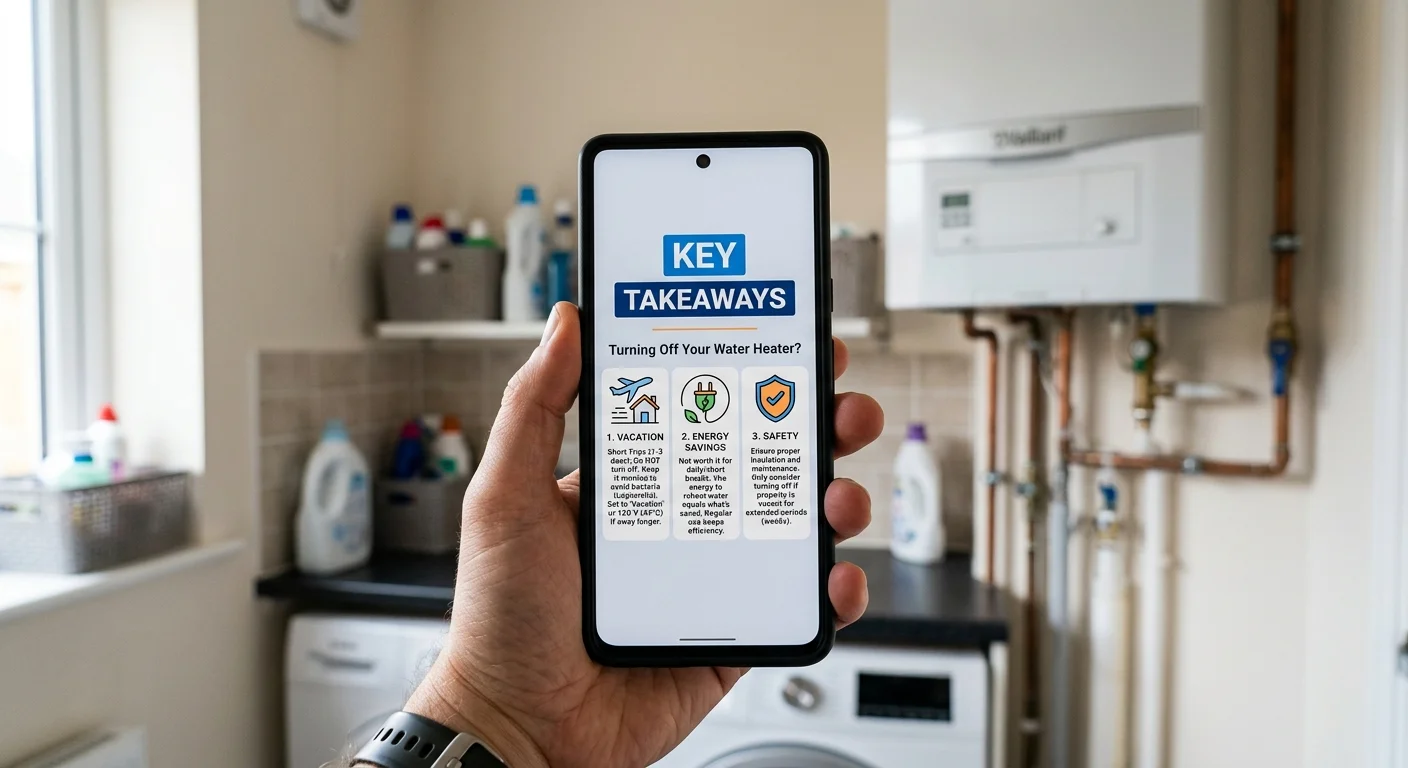
- Always turn off your electric or gas water heater if you shut off your home’s main water supply to prevent dangerous dry-firing or overheating.
- Switching your system to vacation mode is highly recommended for trips longer than three days to reduce standby energy loss.
- Tankless water heaters generally use less standby energy than traditional tank units, so shutting them off during a short vacation may provide little additional savings.
- Visible leaks, overheating, unusual noises, or other signs of a malfunction are reasons to stop normal operation and have the unit inspected by a qualified professional.
- Contacting a professional technician ensures your system is safely shut down, drained, or restarted without risking expensive damage.
Should You Turn Off Water Heater When Water Is Off?
You must absolutely turn off your water heater whenever your main water supply is shut off. If the water supply is cut off and the tank drains or loses pressure, electric heating elements will quickly burn out in a dry tank. This destructive phenomenon, known as dry-firing, can destroy your heating elements in less than a minute, leading to costly repairs. For gas water heaters, an empty tank exposed to a burner can overheat, crack the glass lining, or compromise the physical integrity of the steel tank. This can dramatically shorten the average lifespan of a water heater and force you into an early water heater replacement.
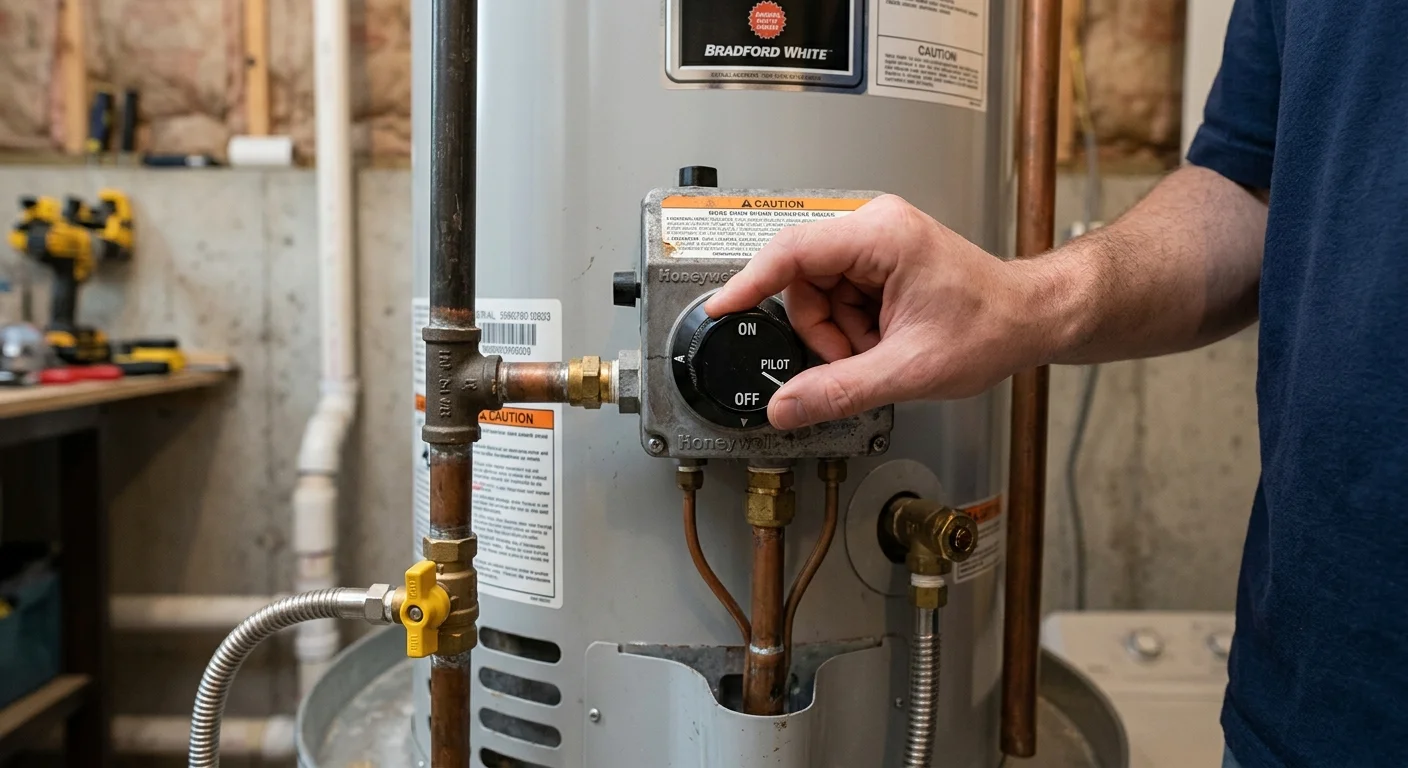
If you are doing scheduled plumbing repairs or dealing with a municipal water outage in Middle Tennessee, head to your breaker panel or gas valve immediately. Switch the electric breaker to off, or turn your gas control valve to the pilot or off position. This simple preventative step saves you from an unexpected system failure. For step-by-step guidance, read our article “How to Turn Off a Water Heater” If you are unsure how to handle this safely, hiring a professional water heater service provider prevents dangerous mistakes and keeps your home safe. It is always better to have an expert handle the technical details rather than risking a major electrical or gas mishap.
Once your main water line is restored, you must fill the tank completely before restoring power. Running any heating system without a full tank of water creates immediate structural hazards. This is especially true for older units that may already have minor internal rust. Taking a systematic approach to shutting down your water heater ensures your plumbing system remains stable during municipal maintenance or household pipe repairs.
Should You Turn Off Water Heater When on Vacation?
Turning off your water heater when on vacation is highly recommended if you will be away from home for more than three to four days. According to the U.S. Department of Energy, water heating accounts for roughly 18% of your home’s total energy consumption. When you are away, a standard tank unit continuously reheats the same water to maintain its set temperature, wasting energy through standby heat loss. For short weekend trips, the energy savings do not justify the hassle of turning the system off and waiting for it to reheat upon your return. However, for extended trips, shutting the system down or selecting vacation mode is both an energy-saver and a crucial safety measure.
If a pipe or the tank itself bursts while you are away, an active water heater will continue heating and pumping water, resulting in catastrophic water damage. Switching the unit off minimizes this risk and can save you between $20 and $80 on your monthly utility bill depending on your local energy rates. For homeowners in Middle Tennessee, managing your system before a long trip offers peace of mind. Returning home to a flooded basement or utility closet is a nightmare that is easily avoided by taking a few moments to adjust your system before you depart.
Additionally, modern systems often feature smart controls that make this process seamless. If you have an older system without a dedicated vacation mode, a manual shutdown is the safest path forward. Taking this precaution protects your property from the unexpected stress of high-pressure leaks while you are away. It also reduces unnecessary wear and tear on your system’s internal components, extending its service life.
When Should You Turn Off a Water Heater Because of a Problem?
A vacation or planned water shutoff is not the only situation where turning off a water heater may be appropriate. A visible tank leak, unusual sounds, signs of overheating, damaged plumbing connections, or water collecting around the unit can indicate a problem that requires immediate professional attention. Continuing to operate a malfunctioning water heater may increase the risk of water damage or make an existing mechanical problem worse. Industry guidance also commonly recommends shutting down a leaking unit and having it inspected rather than allowing it to continue operating normally.
The safest response depends on the type of water heater and the nature of the problem. Gas, electric, conventional tank, and tankless systems have different controls and safety requirements, so homeowners should avoid experimenting with unfamiliar components. If you suspect a leak, electrical issue, gas-related problem, or internal tank failure, contact a qualified water heater professional who can determine whether the unit should remain off until water heater repair or replacement is completed.
Does the Type of Water Heater Change Whether You Should Turn It Off?
Yes. Traditional tank water heaters continually store heated water, which means they experience standby heat loss even when no one is using hot water. This is why vacation mode or reduced operation may make sense during longer periods away. Tankless water heaters work differently: because they heat water primarily when there is demand, their standby energy use is generally much lower. As a result, completely shutting down a modern tankless unit solely to save energy during a normal vacation may offer little benefit.
The age and condition of the equipment also matter. An older water heater that already has corrosion, unreliable controls, or other performance issues may react differently to a prolonged shutdown than a newer system designed with vacation settings and modern safeguards. Rather than treating every water heater the same, homeowners should consider the unit type, manufacturer recommendations, length of absence, and whether the home’s main water supply will remain on. For longer trips or older equipment, professional water heater maintenance before leaving can help identify potential leaks or other concerns before they become expensive emergencies.
Understanding the Cost Benefits of Turning Off Your Water Heater
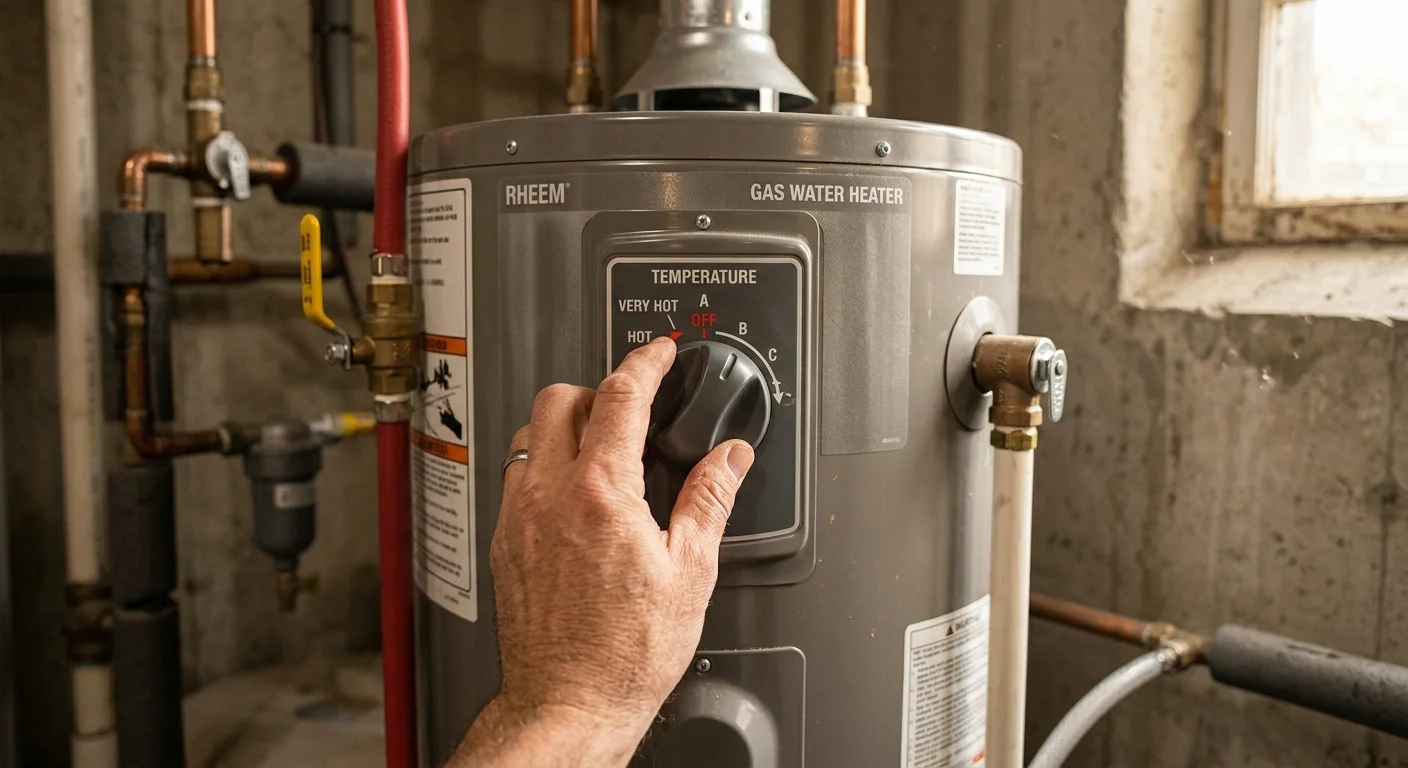
Turning off your water heater during extended absences can save you anywhere from $10 to $30 per week in standby energy costs depending on your local utility rates. Standby heat loss occurs because hot water tanks lose heat through their insulated walls over time, triggering the heating elements or burners to kick on even when no hot water is used. By using vacation mode or shutting the unit down, you stop this constant cycle. Data published by the U.S. Energy Information Administration indicates that heating water accounts for a substantial portion of residential energy costs, second only to space heating and cooling.
If you are going away for a month, leaving your water heater running could cost you $40 to $100 in wasted energy. However, if you are only leaving for a weekend, the energy required to reheat 50 gallons of cold water back to 120 degrees Fahrenheit almost completely negates the minor savings of turning it off. Therefore, it is best to reserve full shutdowns for trips lasting a week or more. For shorter trips, simply lowering the thermostat slightly is a more practical choice.
Additionally, reducing the time your water heater runs at high temperatures slows down sediment accumulation and scale buildup inside the tank. This is particularly beneficial in Middle Tennessee, where hard water is common. Protecting your system from unnecessary heating cycles translates directly into long-term savings and fewer repair calls.
Need Professional Water Heater Service in Middle Tennessee?
Dealing with water heaters can be intimidating, especially when handling gas lines, high-voltage electrical circuits, and pressurized water systems. At The Hot Water Heater Pros, our team of dedicated experts serves homeowners across Franklin, Brentwood, Nashville, Cool Springs, Thompson’s Station, Spring Hill, Murfreesboro, Mt. Juliet, Fairview, and surrounding areas. Whether you need assistance preparing your home for an extended vacation, resolving an emergency leak, or safely restarting your system, hiring a professional water heater plumber ensures the job is completed safely and efficiently.
Our specialized team offers fast, honest guidance, upfront pricing, and professional care tailored directly to your home’s hot water needs. Avoid the risks of dry-firing elements or gas line complications. Contact The Hot Water Heater Pros today to schedule your service or receive a free quote from Middle Tennessee’s hot water specialists.
