
Homeowners in Franklin, Tennessee, frequently ask about the typical lifespan of their home appliances, particularly when dealing with unexpected cold showers. If you are wondering what is the lifespan of a water heater in Middle Tennessee, the direct answer depends heavily on the technology you use. Standard tank-style water heaters generally last between 8 and 12 years before requiring replacement. In contrast, modern tankless systems offer an extended tankless water heater lifespan of 15 to 20 years, or even longer with annual professional maintenance. For homeowners in Franklin, Brentwood, and Nashville dealing with an active leak or a traditional tank that has passed its tenth anniversary, we strongly recommend proactive replacement over costly repairs. Replacing a failing tank before it bursts prevents severe water damage to your basement, utility closet, or crawl space. However, if your system is relatively young, investing in consistent annual maintenance remains the best way to maximize your investment. Let us examine the specific factors that dictate the average lifespan of a water heater and how local water quality shapes these timelines.
Key Takeaways for Your Water Heater Lifespan
- Traditional tank water heaters last 8 to 12 years, while tankless options frequently survive 20 years or more.
- Middle Tennessee’s hard water accelerates mineral buildup, which can reduce the lifespan of water heater units by several years if left untreated.
- Replacing your sacrificial anode rod every 3 to 5 years can effectively double the average lifespan of water heater tanks.
- Proactive water heater replacement is highly recommended for tanks older than 10 years to avoid catastrophic leaks and flooding.
Understanding the Lifespan of Water Heater Systems by Fuel Type
The typical lifespan of water heater systems varies significantly based on whether the unit operates on gas or electricity. Electric models and gas models experience different chemical and physical wear patterns over years of continuous operation.
The typical electric water heater lifespan ranges from 10 to 15 years. Electric units utilize upper and lower heating elements that sit directly inside the water tank. Because they do not rely on combustion, electric tanks avoid the intense thermal stress of a flame firing directly against the bottom of the metal tank. However, they are highly vulnerable to scale accumulation. Minerals settle at the bottom of the tank and bury the lower heating element. This causes the element to burn out prematurely, requiring professional repair. If you need to upgrade your system, choosing a professional electric water heater replacement ensures that your new unit is calibrated perfectly for your household demand.
Conversely, the gas water heater lifespan is slightly shorter, averaging 8 to 12 years. Gas units use a burner chamber located at the absolute bottom of the tank to heat the water. This direct flame contact creates intense thermal expansion and contraction cycles. Over time, this mechanical stress fatigues the steel tank and weakens the glass lining. Additionally, gas combustion creates acidic condensation that can slowly corrode the outer jacket and flue draft hood. According to research from the U.S. Department of Energy, heating water accounts for approximately 18% of a home’s energy consumption. This high workload means gas burners fire frequently, accelerating the wear and tear on the tank’s integrity.
Tankless Water Heater Lifespan vs. Traditional Tanks
A detailed comparison of modern water heating technologies highlights why the tankless water heater lifespan easily surpasses that of standard tank models. Tankless systems represent a larger upfront investment but reward homeowners with decades of reliable service.
Traditional tank units fail because they constantly hold dozens of gallons of hot, pressurized water. This continuous contact with water causes eventual oxidation and rust, regardless of the tank’s quality. When the inner glass lining cracks, the pressurized water reaches the outer steel shell, leading to a catastrophic leak. Because tankless systems heat water on demand, they do not store water. This fundamental design difference eliminates the primary cause of tank failure. Without a heavy steel tank to rust out, a tankless unit can easily operate for two decades or more when properly cared for.
However, tankless systems are not completely immune to wear. Their primary vulnerability is scale accumulation inside the copper heat exchanger. The high temperatures inside the heat exchanger cause minerals to drop out of suspension quickly. This forms a hard barrier that forces the burner to work harder, eventually overheating the unit. When deciding between tankless vs tank water heaters, it is critical to weigh this maintenance requirement against the benefit of a 20-year service life.
Key Factors That Dictate the Hot Water Heater Lifespan in Franklin, TN
Local water quality, installation standards, usage volume, and maintenance frequency are the primary factors determining how long your water heater will last in Middle Tennessee. Franklin homeowners face unique local challenges that can quietly degrade their equipment.
The geology of Middle Tennessee consists of extensive limestone bedrock. This geography directly impacts municipal and well water supplies. The U.S. Geological Survey classifies Middle Tennessee water as moderately hard to very hard. Hard water contains elevated concentrations of dissolved calcium and magnesium. When this water is heated to standard household temperatures, these minerals solidify into calcium carbonate. This scale settles at the bottom of standard tanks, forming an insulating layer over the burner. As a result, the burner must run longer to heat the water, overheating the tank metal and cracking the protective glass lining.
The sacrificial anode rod is your water heater’s primary defense against this corrosive environment. This rod, made of magnesium or aluminum, attracts corrosive elements in the water so they attack the rod instead of the steel tank. Once this rod dissolves completely, the water immediately begins corroding the steel tank walls. Neglecting to replace this rod every 3 to 5 years is the single most common mistake homeowners make. This simple oversight can easily cut the lifespan of water heater systems in half.
Comparing Water Heater Options for Middle Tennessee Homes
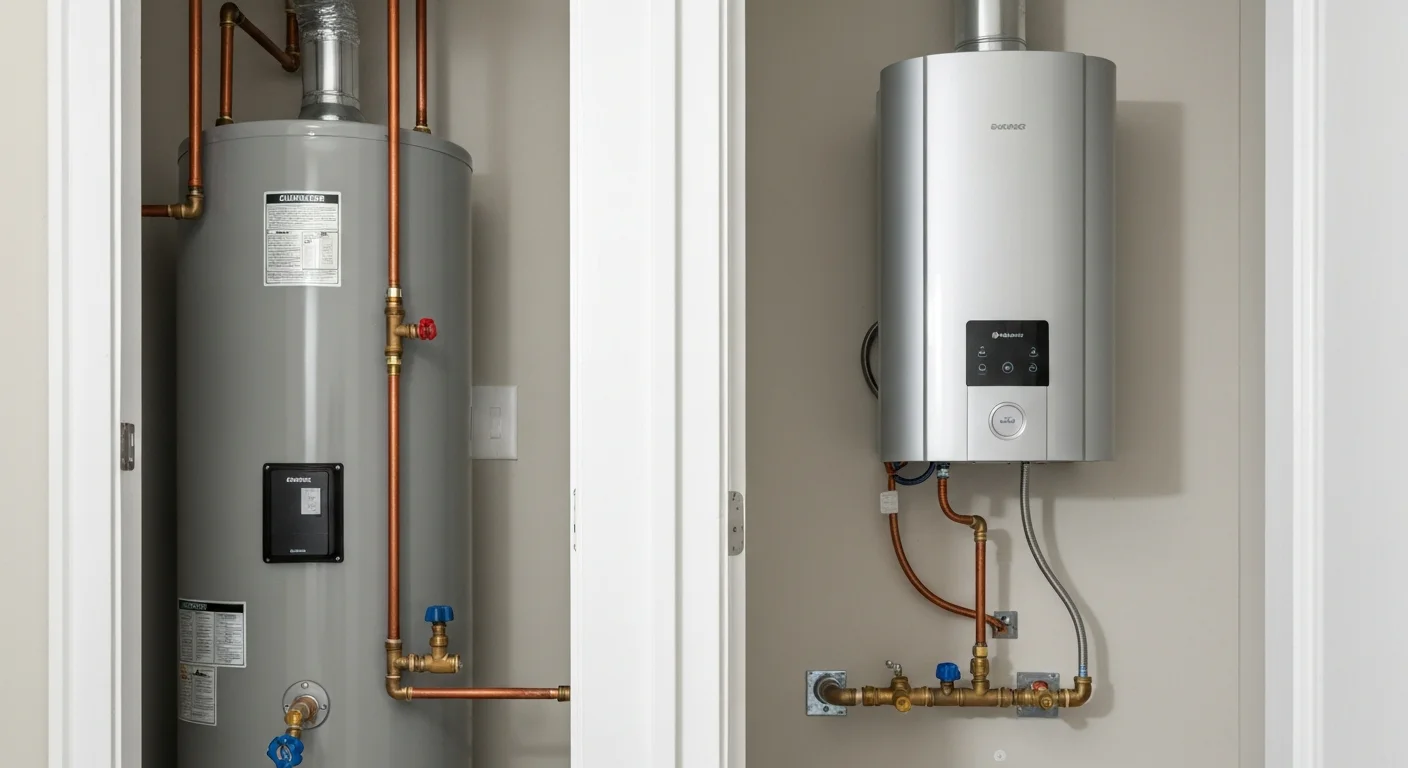
The table below provides a direct comparison of the most common water heater technologies, highlighting their expected longevities, typical replacement costs, and primary failure modes.
| Water Heater Type | Average Lifespan | Typical Cost Range | Primary Failure Points |
|---|---|---|---|
| Standard Gas Tank | 8 to 12 Years | $1,500 – $3,200 | Bottom tank corrosion, burner assembly failure, thermocouple issues |
| Standard Electric Tank | 10 to 15 Years | $1,200 – $2,500 | Heating element burnout, scale accumulation, tank rust |
| Tankless Gas/Electric | 15 to 20+ Years | $3,000 – $6,000+ | Heat exchanger scale buildup, computer board failure, sensor errors |
| Hybrid Heat Pump | 10 to 15 Years | $2,500 – $4,500 | Compressor failure, fan motor wear, condensate drain blockages |
Warning Signs That Your Average Lifespan of a Water Heater Is Ending
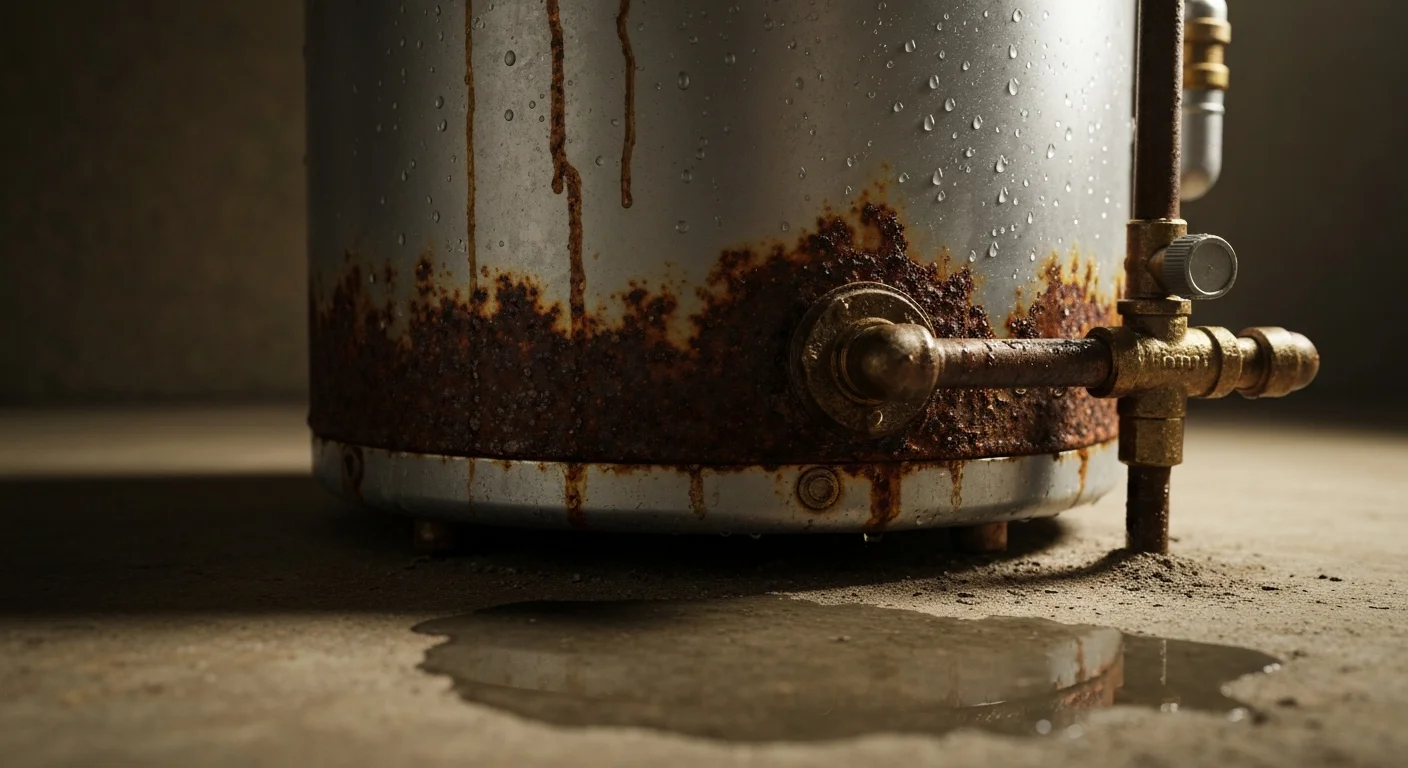
Homeowners can identify a failing water heater by watching for discolored water, knocking sounds, persistent leaks, or a sudden drop in hot water temperature. Recognizing these symptoms early allows you to schedule a planned replacement rather than dealing with an emergency cleanup.
Rusty or muddy water coming from your hot water faucets is a major red flag. This discoloration suggests that the internal steel tank has begun to rust through its protective glass lining. If the rust were coming from the municipal supply pipes, it would affect both hot and cold water. When it only appears in your hot water, the source is almost certainly your water heater tank corroding from the inside out.
Another common warning sign is a popping, rumbling, or knocking sound coming from the utility closet. This noise occurs when water becomes trapped beneath a thick layer of sediment at the bottom of the tank. As the burner fires, the trapped water boils and vaporizes, bubbling violently through the sediment layer. This process creates physical vibrations that stress the tank’s welds, eventually leading to a crack. If you observe water pooling around the base of your unit, the inner tank has fractured, and you must schedule an immediate replacement. If you are unsure whether to proceed with a fix or a new unit, consult our guide on how to decide: repair water heater or replace for expert advice.
Step-by-Step Guide to Maximize Your Gas Water Heater Lifespan
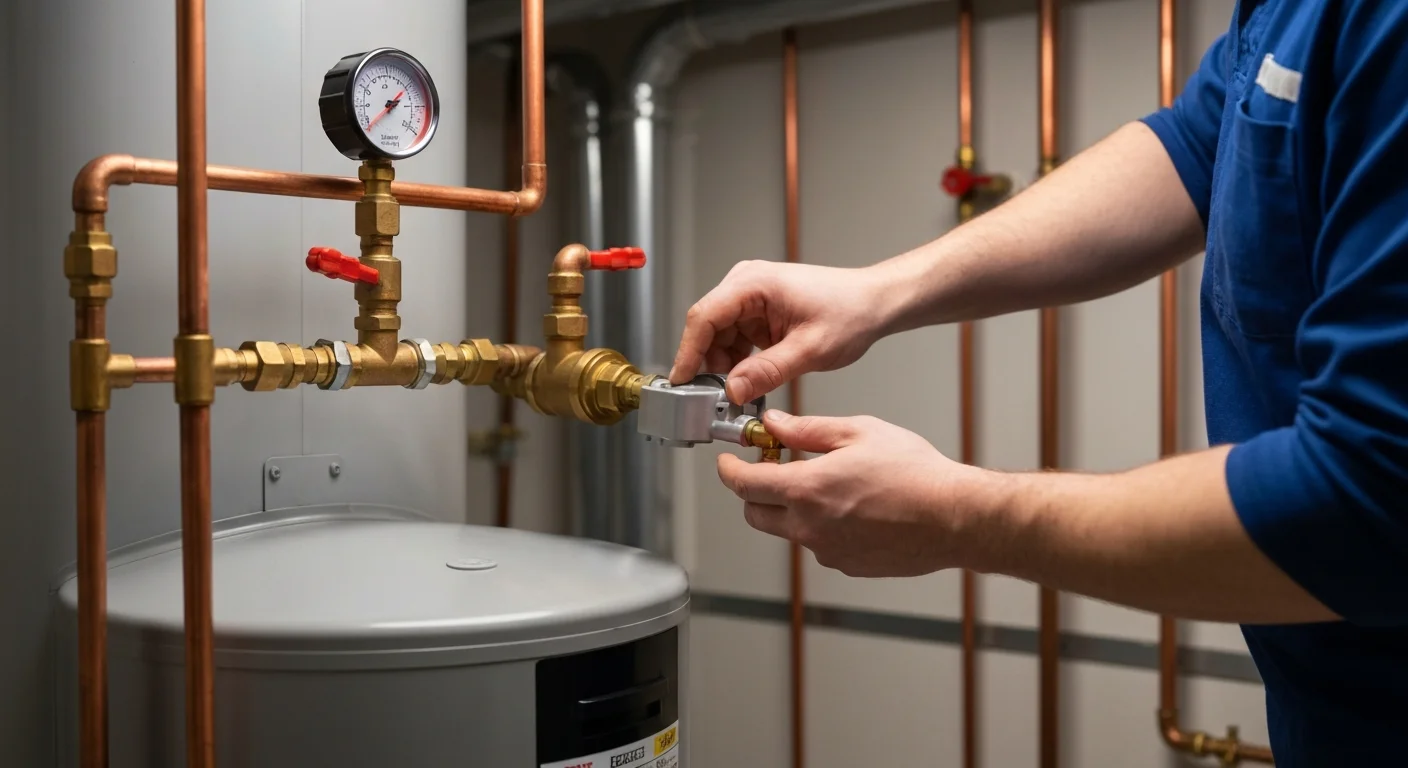
You can extend the life of your gas or electric water heater by executing a few straightforward maintenance tasks every single year. Regular attention prevents mineral buildup from permanently damaging the internal components of your heating system.
- Turn Off the Power and Water Supply: For safety, turn off the circuit breaker for an electric unit or set the gas valve to the pilot position on a gas unit. Close the cold water inlet valve.
- Connect a Hose to the Drain Valve: Attach a standard garden hose to the drain valve at the bottom of the tank and run the other end to a safe floor drain or driveway.
- Open the Pressure Relief Valve: Open the temperature and pressure relief valve at the top of the unit to allow air into the system, which helps the tank drain smoothly.
- Drain and Flush the Tank: Open the drain valve to let the sediment-heavy water flow out. Once empty, turn the cold water valve back on briefly to flush out any remaining debris. Learn the complete details in our water heater flushing guide.
- Refill and Restart the System: Close the drain valve, disconnect the hose, and close the pressure relief valve. Open the cold water inlet valve to refill the tank, and bleed the air out of your household faucets before turning the power or gas back on.
When to Choose Repair vs. Replacement for an Aging System
Deciding whether to repair or replace an older water heater depends on the age of the unit, the cost of the repair, and the safety risks involved. If your water heater is within its expected lifespan, a quick repair is often the most sensible financial path.
Professional water heater specialists often recommend using the “Rule of 50” to make this decision. Multiply the age of your water heater by the estimated cost of the repair. If the resulting number exceeds 50% of the cost of buying and installing a brand-new unit, replacement is the more economical long-term choice. For example, if an 8-year-old gas tank requires a $600 repair, replacing the unit is usually wiser. An aging tank that receives a new heating element or gas valve is still highly susceptible to a tank rupture shortly after the repair.
Upgrading to modern high-efficiency units also brings substantial energy savings. Certified hybrid heat pump models can save a household hundreds of dollars annually on utility bills. These long-term savings often offset the initial installation cost of a new system within just a few years. Proactive replacement also gives you the time to research financing options and schedule the service at your convenience, rather than dealing with a water damage emergency on a weekend.
