
Deciding when to replace a water heater depends primarily on its age, physical condition, and performance. For traditional tank systems older than ten years, or those experiencing recurrent leaks, immediate replacement is the safest and most cost-effective path. For tankless systems, you should plan for replacement once they cross the fifteen-to-twenty-year mark. If your current system requires a repair that exceeds half the cost of a brand-new unit, always choose water heater replacement. Proactive replacement prevents catastrophic structural water damage, avoids emergency installation upcharges, and allows you to transition seamlessly to highly efficient modern models. Waiting until a tank completely bursts often results in expensive emergency fees and costly home restoration projects. Whether you live in Franklin, Brentwood, or Nashville, local water conditions can accelerate tank corrosion, making timely updates even more vital.
Key Takeaways
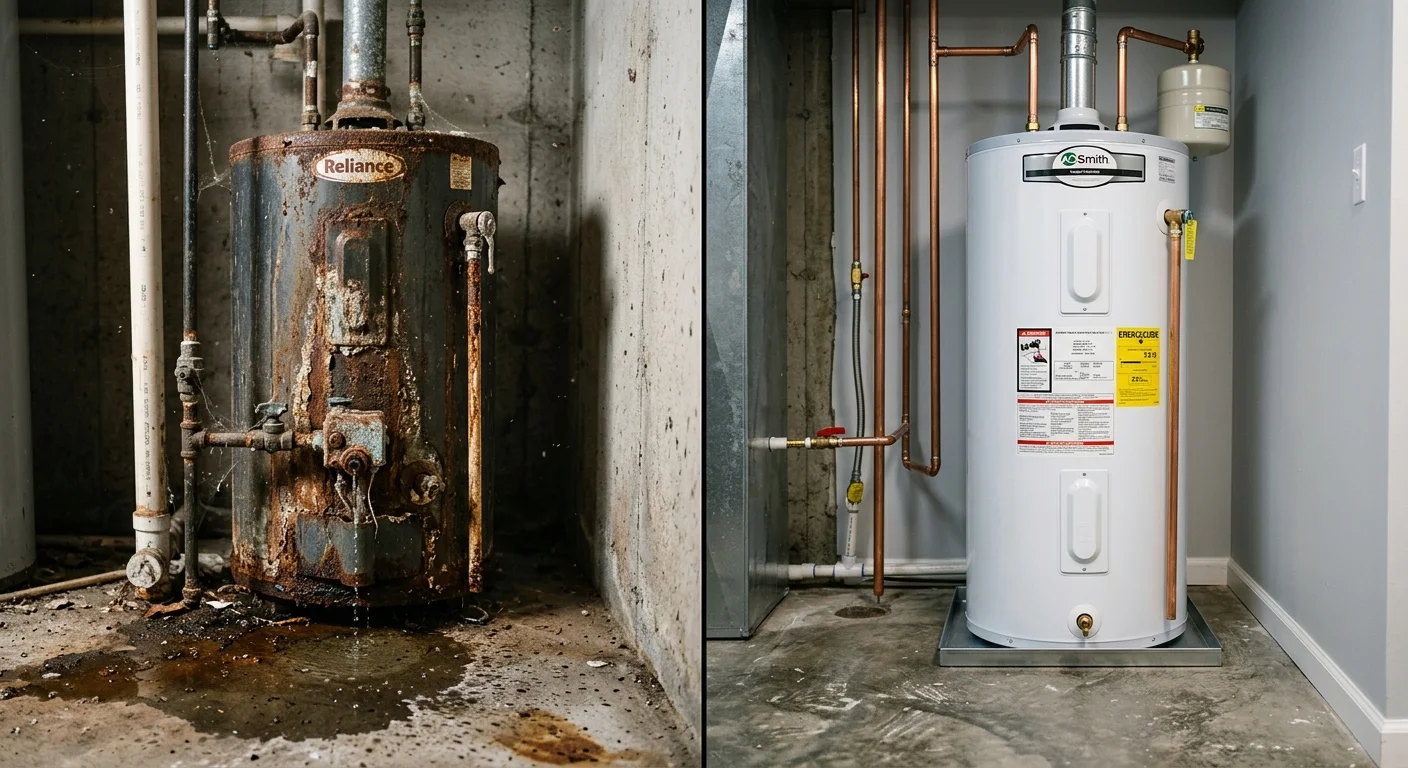
- Age Matters Most: Standard tank systems should be replaced after 8 to 12 years, while tankless units often last between 15 and 20 years.
- Look for Red Flags: Rusty water, persistent puddles, clanging noises, and inconsistent temperatures are clear indicators of imminent failure.
- The 50% Financial Rule: If repairs cost more than half the cost of a new water heater, investing in a replacement is the smarter financial move.
- Avoid Water Damage: Replacing an aging water heater before it fails protects your home from sudden, catastrophic tank ruptures.
- Upgrade Efficiency: Modern hybrid heat pump and tankless models substantially reduce monthly utility bills while qualifying for excellent rebates in 2026.
How Often to Replace Water Heater Systems in Your Home
Standard water heater replacement should occur every 8 to 12 years for tank models and every 15 to 20 years for tankless configurations. These lifespans represent average performance limits under ideal operating conditions. In reality, factors such as water hardness, usage volume, and regular maintenance habits heavily influence the exact timing of a system failure. Many homeowners overlook the average water heater lifespan until they are suddenly forced to deal with a cold shower or a flooded utility closet.
According to the ENERGY STAR program, water heating accounts for approximately 18% of a home’s energy consumption, making an aging, inefficient unit a significant drain on your wallet. As a system passes its tenth year, internal wear and tear reduces its ability to transfer heat effectively. Heating elements in electric units accumulate mineral crusts, while gas burners face corroded ports and diminished heat exchange surfaces. This decline in efficiency means your system runs longer to produce the same amount of hot water, leading to higher monthly utility bills.
Middle Tennessee water supplies often carry high concentrations of dissolved minerals like calcium and magnesium. Over time, these minerals settle at the bottom of standard water tanks, forming a thick layer of rock-like sediment. This sediment acts as a thermal barrier, forcing the burner or heating elements to work harder to heat the water. The constant overheating of the tank bottom weakens the steel structure, accelerates metal fatigue, and eventually leads to micro-cracks that cause the unit to fail. Regular professional water heater maintenance can mitigate this, but it cannot stop the natural aging process indefinitely.
When to Replace Hot Water Heater Tanks Before a Disaster Strikes
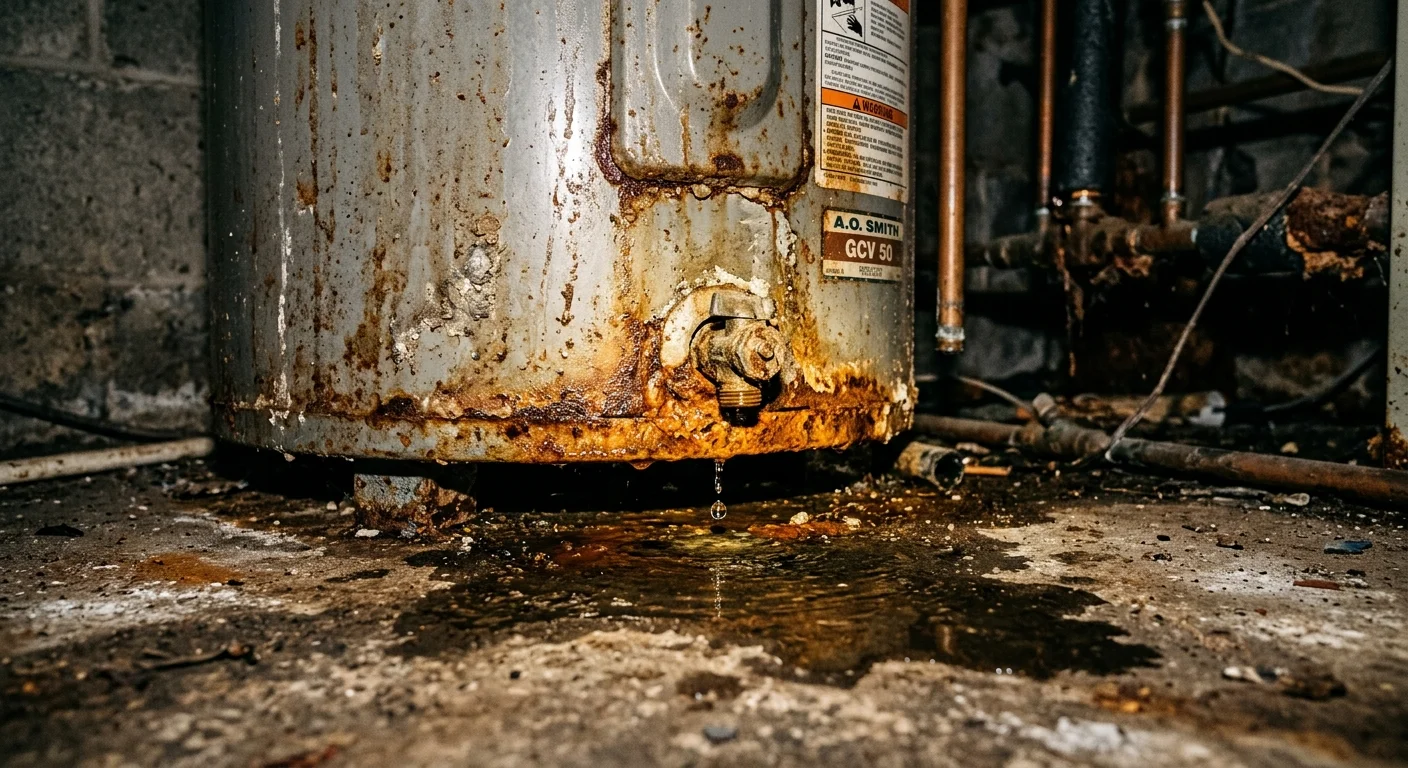
Recognizing the physical signs of a failing tank allows you to replace your hot water heater before it floods your basement or utility room. The most critical physical indicator of a failing water heater is the presence of pooling water around its base. If your water heater is leaking, immediate action is required. While some leaks originate from loose valves or connections, a leak from the main steel tank itself cannot be repaired and requires an immediate replacement of the entire system.
Another common warning sign is the appearance of discolored, rusty water from your hot water taps. If your cold water runs completely clear but your hot water has a distinct reddish or brown tint, the internal glass lining of your water heater has likely failed, allowing the steel tank to rust from the inside out. This rust is a precursor to a major leak, as the integrity of the metal is rapidly deteriorating. You may also notice a distinct metallic taste or smell in your bathwater, indicating that corrosion is actively contaminating your household water supply.
A professional water heater installer will tell you that ignoring persistent popping or rumbling noises is a recipe for disaster. These sounds occur when water becomes trapped beneath the heavy layer of sediment at the bottom of the tank. As the burner heats the water, steam bubbles rise and violently burst through the mineral crust. This constant physical stress damages the internal protective lining of the tank, accelerating the corrosion process and leading to sudden, catastrophic failure. If flushing the tank no longer resolves these noises, the system is reaching the end of its functional life.
Should I Replace My Water Heater Before It Fails Entirely?
Choosing to replace your water heater before it fails completely is the most effective way to prevent costly property damage and avoid the stress of an emergency plumbing crisis. When a pressurized water tank ruptures, it does not merely drip; it can release dozens of gallons of hot water into your home within minutes. This water can quickly ruin drywall, destroy hardwood flooring, ruin nearby personal property, and foster dangerous mold growth in a matter of days.
Water damage and freezing are among the most common homeowners insurance claims, with an average claim cost exceeding $12,500. A proactive replacement allows you to control the timing of the installation, research your equipment options thoroughly, and schedule the work when it is most convenient for your family. You will also avoid paying premium emergency service rates that often apply to weekend or late-night service calls.
Furthermore, planning your replacement in advance gives you the freedom to transition to highly efficient technology. For example, you can upgrade with a professional tankless water heater installation or choose a highly efficient hybrid heat pump water heater. Making this decision under pressure during a Friday night emergency often results in settling for whatever standard tank is currently in stock on the technician’s truck. Taking a proactive approach ensures you get the best long-term investment for your property.
Deciding How Often You Should Replace Your Water Heater
Determining the frequency of water heater replacement depends heavily on water quality, maintenance schedules, and household hot water demands. If you live in an area with hard municipal water and have never performed routine maintenance, you may need to replace your tank every 6 to 8 years. Conversely, if you have a high-quality water softener installed and have your system professionally serviced annually, a quality tank can easily last 12 years or longer.
The primary defender of your water heater tank is the sacrificial anode rod. This rod is made of magnesium or aluminum and is designed to attract corrosive elements in the water, sacrificing itself so the steel tank does not rust. When the anode rod completely degrades, the corrosive elements begin attacking the steel tank walls. Many homeowners do not realize that replacing this rod every three to five years can double the lifespan of their unit. Once the tank itself begins to rust, however, the only solution is a total replacement.
When trying to decide whether to repair your water heater or replace it, consider the age of the unit. If a minor component like a heating element or thermostat fails on a unit that is less than eight years old, a simple repair is usually the most logical choice. However, if the unit is over ten years old, investing several hundred dollars in repairs is often a waste of money. The remaining components are already worn, and you will likely face another breakdown or a complete tank failure in the near future.
Comparing Repair vs. Replacement Scenarios
To help you weigh your options clearly, the table below outlines the most common water heater issues, the age of the system, and the recommended plan of action.
| System Age | Observed Symptoms | Recommended Strategy |
|---|---|---|
| Under 6 Years | Lukewarm water, faulty heating element, or broken thermostat. No active leaks. | Repair: Replace the minor component. The system still has plenty of useful life remaining. |
| 6 to 10 Years | Occasional noise, minor dripping from the pressure relief valve, or slow heating recovery. | Professional Assessment: Flush the system, replace the anode rod, or repair the valve. Consider replacement if repair costs exceed 50% of a new unit. |
| 10+ Years (Standard Tank) | Frequent breakdowns, heavy mineral clanging, rusty hot water, or structural weeping. | Replace: The tank is near the end of its life. Repairs are a temporary band-aid and a flood risk. |
| 15 to 20 Years (Tankless) | Error codes, scale buildup in heat exchanger, or inconsistent output temperatures. | Replace: The heat exchanger is likely nearing structural failure. Upgrade to a modern, high-efficiency model. |
The Costs of Water Heater Replacement and Ongoing Utility Savings
The total cost of replacing a water heater varies based on system type, fuel source, and installation complexity, but the upfront investment is often balanced by immediate utility savings. A standard tank replacement typically ranges from $1,200 to $3,000, depending on the gallon capacity and local permitting fees. Upgrading to a tankless system requires a higher initial investment, typically ranging from $2,500 to $6,000+, due to necessary gas line modifications, venting updates, and electrical work.
Active energy-efficient upgrades, such as switching to a hybrid heat pump water heater, can save homeowners up to $330 per year on electricity bills. Over the lifespan of the equipment, these savings can completely offset the initial cost of the installation. Furthermore, hybrid models run so efficiently that they pay for themselves far faster than traditional electric resistance models, making them an excellent choice for modern homes.
Additionally, state and federal tax credits under the Energy Efficient Home Improvement Credit can provide significant financial relief. Homeowners can claim up to 30% of the cost of installing a qualifying hybrid heat pump water heater, up to a maximum of $1,250. Local utility providers also frequently offer cash-back rebates for upgrading to energy-efficient models. When you factor in these incentives alongside the monthly utility savings, a proactive replacement becomes a highly strategic financial decision.
Why Professional Water Heater Services Are Critical for Safety
Relying on a professional to handle your water heater replacement is essential for ensuring code compliance, maintaining manufacturer warranties, and preventing dangerous gas or electrical hazards. Water heaters are complex appliances that simultaneously manage high-voltage electricity or combustible gas, pressurized water, and extreme heat. Attempting to install or service these systems without specialized licensing and equipment presents serious safety risks.
To safely install a water heater, an installer must adhere to a detailed sequence of safety checks:
- Disconnect and lock out the electrical power source or safely shut off the main gas supply line.
- Safely drain the existing tank to prevent localized flooding and structural damage.
- Install the new unit while ensuring precise alignment of the temperature and pressure (T&P) relief valve.
- Verify that the gas venting system is completely sealed to prevent deadly carbon monoxide leaks into the home.
- Test the system under full pressure to identify and resolve any micro-leaks in the water or gas lines.
An improperly installed water heater can lead to severe consequences, including gas leaks, electrical fires, carbon monoxide poisoning, or explosive tank failures caused by a malfunctioning pressure relief valve. Furthermore, most reputable manufacturers will void their equipment warranty if the system is not installed by a licensed professional. Relying on an expert ensures your system runs safely, works efficiently, and remains fully protected under warranty for years to come.
Partner with Middle Tennessee’s Trusted Water Heater Experts
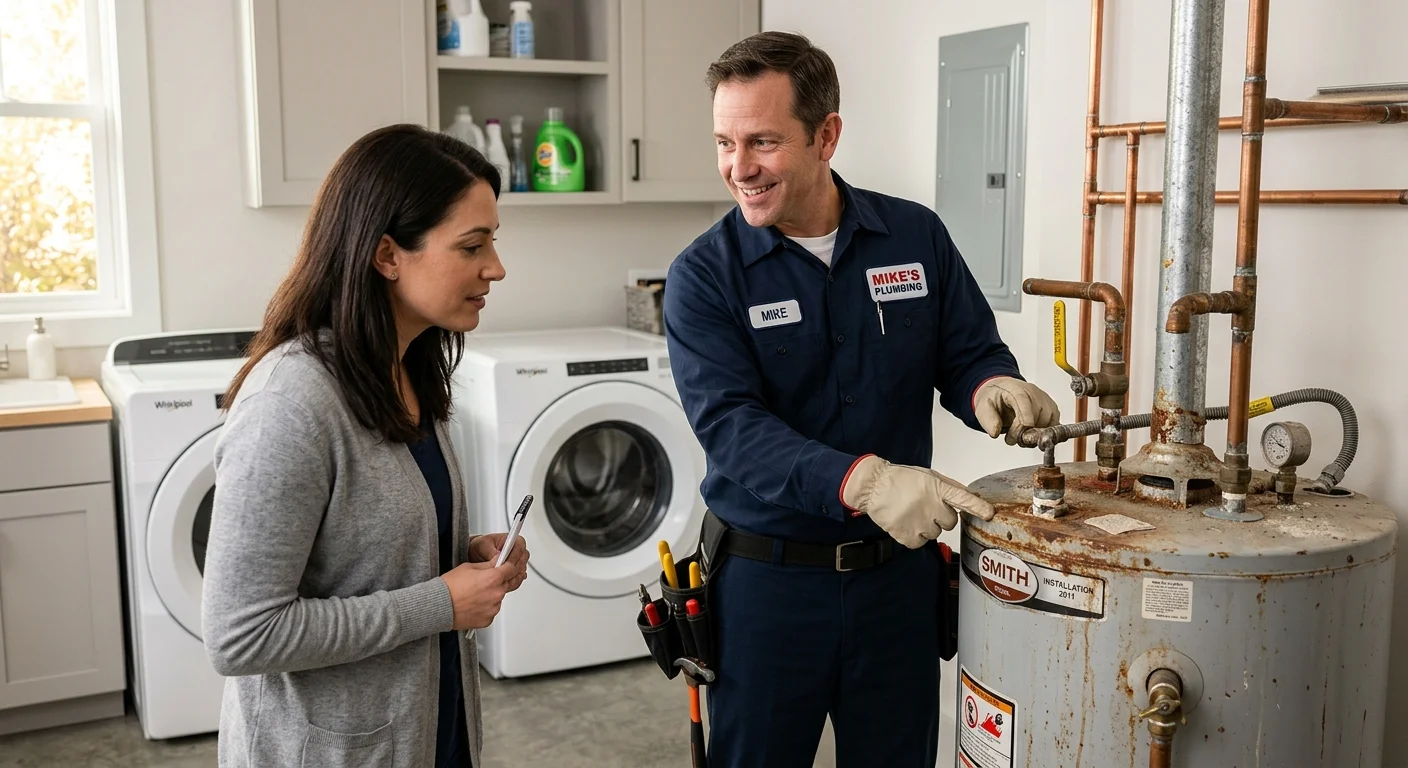
When you need reliable hot water solutions, working with a specialized local expert is the best way to secure peace of mind. The Hot Water Heater Pros specialize exclusively in water heating systems, providing the fast response times, honest upfront pricing, and clean professional installations that general plumbing companies simply cannot match. Whether you are dealing with an unexpected breakdown, a persistent tank leak, or simply want to upgrade to a high-efficiency tankless system, our team is here to help.
Avoid the stress of sudden equipment failure and protect your home from devastating water damage. Contact a professional water heater plumber today to schedule your system assessment, receive a free quote, and discover the best hot water solutions for your home and lifestyle.
