
Whether your gas water heater needs electricity depends entirely on its ignition system and ventilation design. Standard tank-style gas water heaters equipped with a standing pilot light do not require external electrical power, allowing them to provide reliable hot water even during severe power outages. Conversely, modern gas units featuring electronic igniters, power-vented exhaust fans, integrated digital controls, or tankless technology must be plugged into a standard 120-volt electrical outlet to operate. If household power drops, these power-dependent gas systems shut down automatically to prevent unburned gas accumulation. Homeowners across Middle Tennessee evaluating emergency preparedness or troubleshooting sudden hot water loss in 2026 need to know which system type sits in their utility closet. While mechanical gas systems generate their own self-sustaining millivolt current internally, high-efficiency digital systems demand grid power to manage safety sensors and combustion blowers.
Key Takeaways
- Traditional atmospheric gas water heaters with standing pilot lights operate entirely without household electricity.
- Modern gas water heaters with electronic spark ignition, power-vent fans, or tankless technology require 120-volt electrical power to function.
- Standing pilot models generate their own internal electrical current measured in millivolts using a thermocouple.
- Uninterruptible Power Supplies (UPS) or portable generators can keep power-dependent gas water heaters operational during blackouts.
- Never attempt DIY electrical modifications or manual ignition overrides on power-dependent gas valves; always call a qualified professional.
Will My Gas Water Heater Work Without Electricity? Traditional vs. Modern Systems
The operational resilience of your gas water heater during a power disruption hinges on how the burner ignites and how exhaust gases exit your home. Older, traditional atmospheric tank water heaters rely on simple laws of physics. They feature a continuously burning standing pilot light and use natural thermal convection to vent combustion gases up a metal chimney. Because these units use mechanical thermostats and thermal safety switches, they operate seamlessly without plugged-in electrical wiring.
Modern high-efficiency gas water heaters take a different approach. Energy standards and safety codes have driven manufacturers toward electronic components. Many newer units feature intermittent electronic ignition systems that replace the standing pilot flame to conserve fuel. Others use motorized blower fans to push exhaust air horizontally through PVC piping. These electrical components require continuous power from your home’s breaker panel. If grid power fails, the control board remains unpowered, preventing the main gas valve from opening.
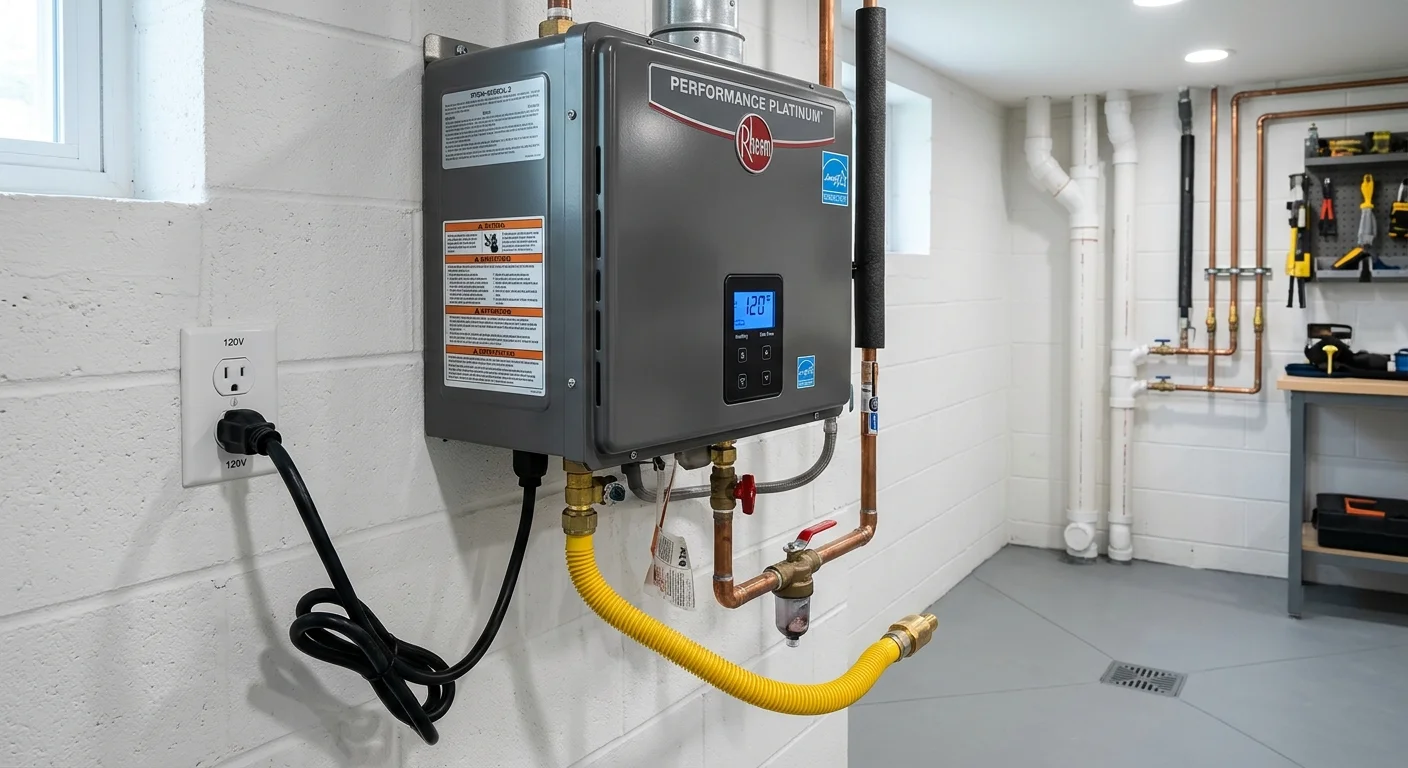
Tankless gas units present another clear example of power dependency. While fuel burns gas to heat water instantaneously, the internal computer, flow sensor, and ignition sparker require electrical energy. Understanding how a tankless water heater works clarifies why these efficient appliances cannot spark burner flames or adjust gas valves during a neighborhood outage without an external power backup.
Does a Gas Water Heater Use Electricity? Key Components Explained
Gas water heaters designed with electrical features consume relatively little power compared to pure electric water heaters, but that small electrical draw is critical. An electric tank water heater utilizes massive 240-volt heating elements drawing 4,500 to 5,500 watts. In contrast, a power-dependent gas water heater typically plugs into a standard 120-volt, 15-amp outlet and consumes between 40 and 200 watts during active operation.
Several distinct internal components account for this electrical usage:
- Electronic Ignition Modules: Hot surface igniters or direct spark igniters use electricity to create the spark or intense heat needed to light the gas burner, replacing standing pilot flames.
- Power-Vent Blower Motors: Motorized draft induction fans force exhaust gases through side-wall vent pipes when vertical chimney venting is unavailable.
- Digital Thermostats and Control Boards: Microprocessors monitor water temperature, water flow rates, flame safety sensors, and lock-out conditions.
- Powered Anode Rods: Advanced corrosion prevention systems use small electrical currents impressed onto a titanium rod to protect steel tank linings from aggressive water chemistry.
- Recirculation Pumps: Built-in or external pumps circulate hot water through home plumbing lines to deliver instant heat to distant faucets.
According to efficiency guidelines from the U.S. Department of Energy, power-vented gas water heaters increase annual energy efficiency, but homeowners must account for their reliance on home electrical circuits during severe weather events.
Gas Water Heater Types and Power Outage Performance
Determining whether your specific gas appliance operates during a utility blackout requires evaluating its ventilation and control setup. The table below outlines how common gas water heater configurations respond to loss of household electricity.
| Water Heater Category | Household Electricity Required? | Functions During Power Outage? | Typical Backup Power Options |
|---|---|---|---|
| Atmospheric Vent Tank (Standing Pilot) | No | Yes (Continuous operation) | None required |
| Power-Vent Gas Tank | Yes (120V Outlet) | No (Shuts down) | UPS Battery (1500VA), Portable Generator |
| Gas Tankless Water Heater | Yes (120V Outlet) | No (Shuts down) | Dedicated Battery Backup Unit, Generator |
| Direct-Vent Electronic Ignition Tank | Yes (120V or Battery Pack) | No (Unless equipped with factory battery) | Internal Battery Kit, Portable Generator |
As displayed, traditional standing pilot tank systems provide unmatched reliability when electrical grids fail. However, power-vented units and tankless systems require proactive backup planning if immediate hot water access is critical for your household.
How Gas Water Heaters Generate Millivolts Without Wall Power
Homeowners often wonder how a traditional standing pilot gas water heater operates its safety valve without being plugged into the wall. The secret lies in thermoelectrics. A tiny copper probe called a thermocouple sits directly inside the standing pilot flame. When the tip of the thermocouple absorbs heat from the flame, it generates a tiny direct-current electrical voltage through a physical phenomenon known as the Seebeck effect.
This thermal reaction produces between 25 and 30 millivolts of electricity. While 30 millivolts is far too weak to run lights or appliances, it provides just enough electrical charge to energize a small electromagnet inside the main gas control valve. This electromagnet holds the safety valve open, allowing gas to flow continuously to the pilot light and activate the main burner when the tank calls for heat.
If the pilot flame blows out, the thermocouple cools down immediately. Voltage drops to zero, the electromagnet de-energizes, and an internal spring snaps the gas valve shut. This self-powered mechanical safety loop protects your home from unburned gas leaks without relying on grid power. Larger commercial or heavy-duty residential standing pilot systems use a thermopile—a cluster of multiple thermocouples—which generates 750 millivolts to power more complex mechanical gas valves.
What to Do During a Power Outage: Safe Hot Water Management
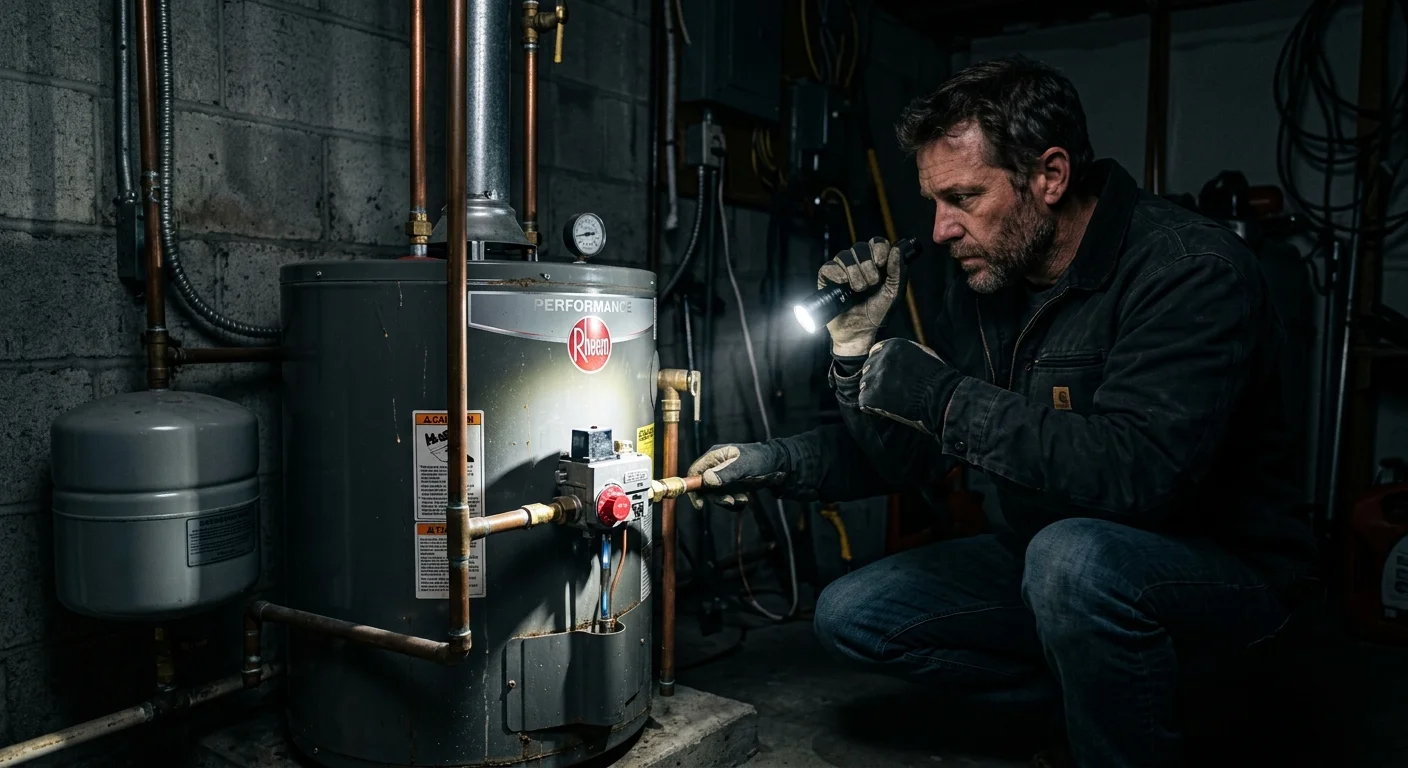
When electric power drops across Middle Tennessee neighborhoods, managing your hot water system safely prevents appliance damage and unnecessary service calls. Follow these professional steps to handle your gas water heater during a utility disruption.
- Identify Your Appliance Ignition Type: Locate your unit’s gas valve. If a power cord extends from the top blower or bottom control board to an outlet, your system requires electricity. If it features a mechanical dial with a simple copper line running into the burner chamber, it is a standing pilot model.
- Conserve Existing Stored Water: If you own a power-vented gas tank that stops heating during an outage, insulated tanks retain usable hot water for 12 to 24 hours. Limit hot water usage at faucets and showers to keep the remaining tank volume warm.
- Avoid Forced Ignition Attempts: Never attempt to light an electronic ignition system or tankless unit using matches, lighters, or external flames. Electronic gas control valves require sensor validation before opening, and manual flame application creates severe fire and explosion risks.
- Disconnect Sensitive Electronics: If you use a power-vented unit without a surge protector, consider unplugging it during extended blackouts. Voltage spikes during grid restoration can damage delicate microprocessor control boards.
- Call Qualified Plumbing Technicians: If your standing pilot light extinguishes and refuses to remain lit after grid power returns, internal safety switches or thermocouples may require inspection. Contact an experienced professional water heater service provider to diagnose control issues safely.
Data from the U.S. Energy Information Administration shows that utility power outages from severe weather events have increased in frequency nationwide, making emergency management plans vital for residential gas systems.
Backup Power Solutions for Gas Water Heaters
If your home relies on a tankless gas water heater or a power-vented tank system, you can install external backup options to maintain hot water during grid failures. Because these systems only consume 40 to 200 watts, backup power requirements are modest compared to running air conditioning units or electric ovens.
Homeowners generally choose between three primary backup methods:
Uninterruptible Power Supply (UPS) Battery Units: Standard computer UPS systems rated at 1000VA to 1500VA can power the control boards and draft blowers of gas water heaters. A quality UPS costing between $150 and $350 can power a tankless unit through multiple short showers or keep a power-vent tank operating through brief power flickers.
Portable Inverter Generators: Small, quiet inverter generators producing 1,000 to 2,000 watts can easily run a gas water heater alongside basic home refrigeration. Equipment prices range from $400 to $1,000. Ensure generators operate exclusively outdoors at safe distances from open windows to prevent dangerous exhaust buildup.
Dedicated Tankless Battery Packs: Certain manufacturers offer custom plug-and-play lithium battery backup kits designed specifically for tankless gas water heaters. These units cost approximately $300 to $600 and automatically supply power to electronic gas valves and freeze-protection heaters when line voltage drops.
Professional Inspection and Safety Precautions
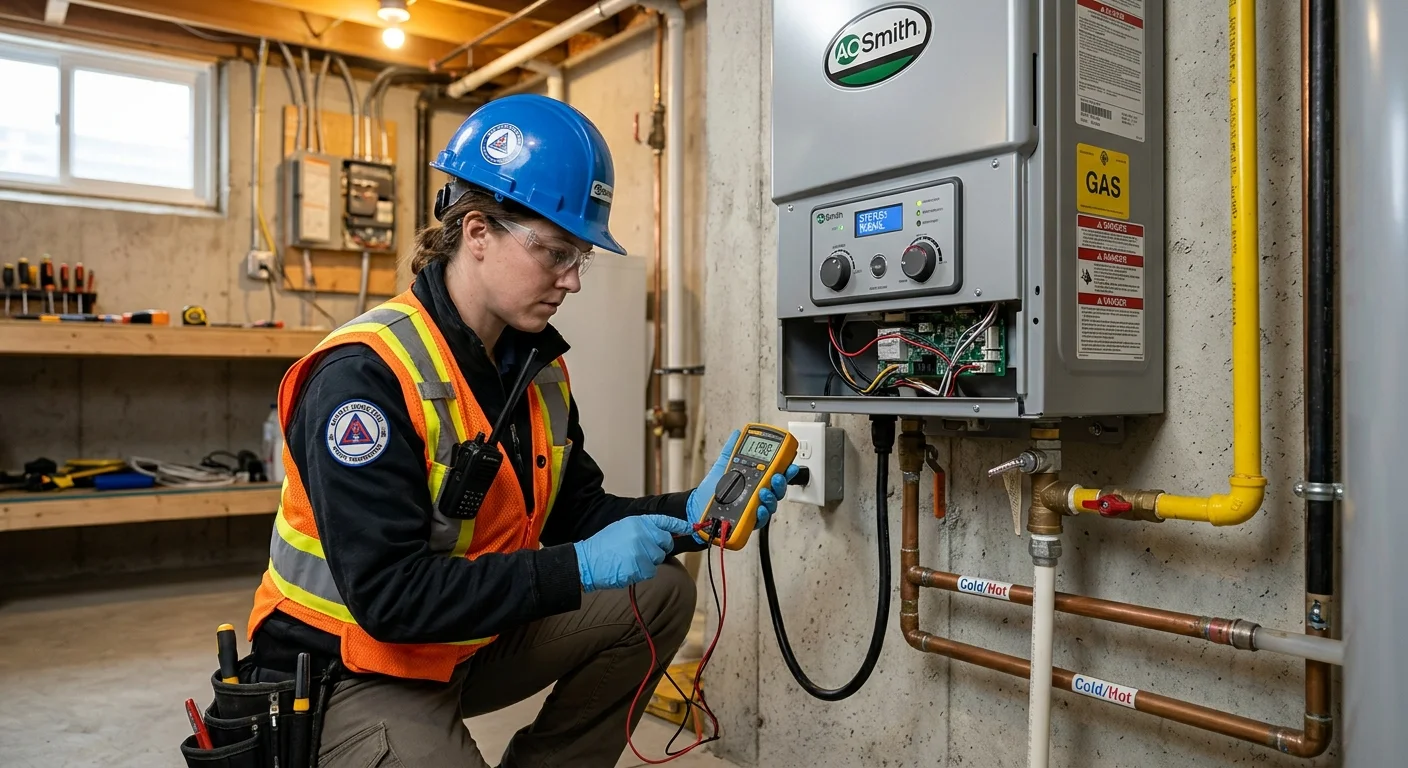
Gas water heaters combine pressurized fuel, open flames, and domestic water supplies, requiring strict adherence to safety standards. Attempting DIY rewiring, altering electrical safety sensors, or modifying gas valves can lead to carbon monoxide leaks, structural fires, or total equipment failure. Safety research published by the Centers for Disease Control and Prevention highlights that improper combustion venting and unvented fuel-burning appliances remain leading causes of unintentional domestic poisoning.
Professional technicians check critical safety tolerances during regular maintenance. They inspect flue baffles, clean flame rods, test pressure relief valves, verify proper draft venting, and check electrical grounding circuit safety. If your gas unit experiences frequent ignition lockouts or strange humming noises from its power-vent fan, schedule a professional gas water heater repair evaluation promptly.
Investing in routine maintenance by licensed professionals ensures your gas system delivers reliable performance, maintains strict code compliance, and preserves factory warranty protections for years to come.
Need Expert Gas Water Heater Service in Middle Tennessee?
Navigating water heater choices, sudden power outage breakdowns, or unexpected hot water loss requires experienced local expertise. At The Hot Water Heater Pros, our team specializes exclusively in residential water heating systems across Franklin, Brentwood, Nashville, Cool Springs, Spring Hill, Thompson’s Station, Murfreesboro, Mt. Juliet, and Fairview.
Whether you need fast diagnostic support for a power-vented gas unit, professional tankless water heater maintenance, or water heater replacement for an aging system, our certified technicians deliver honest guidance and upfront pricing. We focus entirely on hot water systems, ensuring your home receives precise, high-quality care tailored to Middle Tennessee water conditions. Contact The Hot Water Heater Pros today to request your free service quote or schedule your expert consultation!
