
A noisy water heater is typically caused by sediment buildup inside the tank, high water pressure, or thermal expansion within your plumbing system. If your tank is making a loud popping or rumbling sound, mineral scale has trapped boiling water bubbles at the bottom, which requires a professional flush to resolve. For high-pitched screeching or whistling, you likely have a restricted water control valve or a failing pressure-relief mechanism. In most cases, these sounds are warning signs of reduced efficiency and impending system leaks rather than immediate dangers. However, persistent noises should never be ignored, as they can lead to complete tank failure, cracked heating elements, or high utility bills. We recommend scheduling a professional inspection and system flush to protect your home from sudden leaks and restore quiet, efficient operation. Here is a breakdown of what these sounds mean for your home.
Key Takeaways for Troubleshooting a Noisy Water Heater
- Popping and rumbling are caused by mineral buildup trapping boiling water at the bottom of the tank.
- Hissing often points to scale on electric elements or condensation dripping onto gas burners.
- Screeching or whistling indicates restricted water flow or unsafe pressure buildup.
- Water hammer causes knocking noises when faucets shut off, shaking pipes near the heater.
- Regular professional maintenance prevents damage, saves energy, and stops loud noises.
Why Is My Hot Water Heater Making Noise?
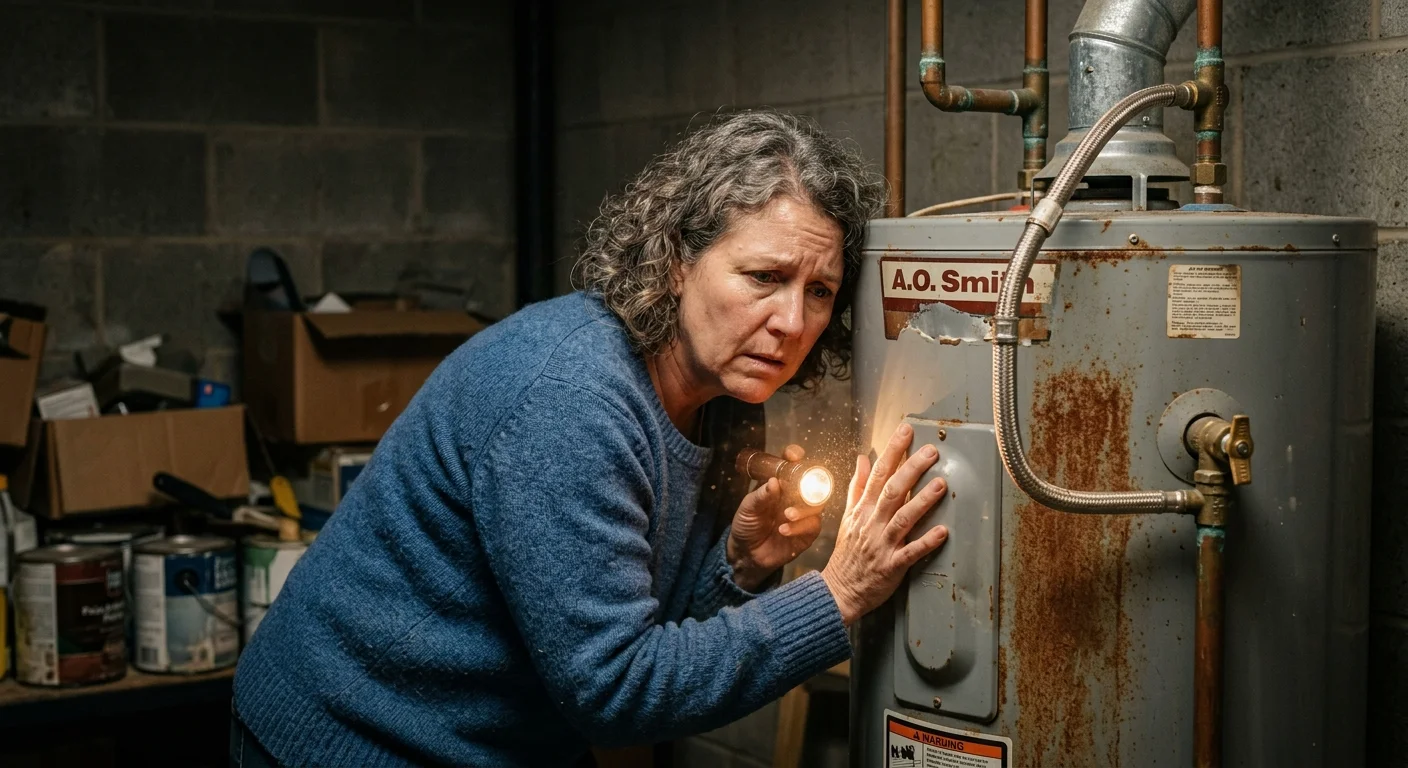
Mineral accumulation is the most common reason why does my water heater make noise in Middle Tennessee. In communities like Franklin, Brentwood, and Nashville, our water supply contains high levels of dissolved calcium and magnesium. As cold water enters your tank and gets heated, these minerals crystallize and settle at the bottom. This process forms a thick layer of hard scale over the heating elements or gas burner assembly.
This mineral barrier acts as an insulating blanket. Your water heater must run longer and hotter to warm the water. When water gets trapped beneath this heavy layer of sediment, it quickly reaches a boiling point. The trapped water turns into steam bubbles that violently burst through the scale crust to reach the cooler water above. This thermal struggle produces the various clangs, thumps, and pops you hear from your utility closet.
Overheating caused by sediment insulation places immense physical stress on the tank itself. The protective glass lining inside steel tanks can crack under this intense heat. Once the glass lining is compromised, water contacts the bare steel tank. This leads to corrosion and catastrophic tank failure. Scheduling a timely water heater maintenance service is the best way to clear this debris and protect your system.
Decoding a Water Heater Making Popping Noise and Rumbling
A water heater making popping noise or rumbling sounds like popcorn cooking inside your utility closet. This distinct popping sound occurs when steam bubbles escape from underneath the hardened sediment layer. When the burner or element activates, water trapped beneath the scale turns to steam. The expanding steam pocket builds pressure until it bursts through the mineral crust, creating a loud pop.
A water heater making rumbling noise is simply a more severe, continuous version of the popping phenomenon. When sediment reaches several inches in depth, the water trapped at the bottom boils constantly. This creates a low, rolling earthquake sound inside the tank. This continuous boiling action wastes a massive amount of energy, driving up your monthly utility bills.
According to the U.S. Department of Energy, sediment buildup can reduce water heater efficiency by up to 8% because the heating system must work twice as hard to transfer heat. This constant overheating also degrades the tank from the inside out. If you notice a deep rumble or pop, it is a clear sign that heavy sediment has accumulated and requires professional extraction before the tank ruptures.
Is a Noisy Water Heater Dangerous for Homeowners?
The question of is a noisy water heater dangerous depends entirely on the type of sound your system is making. While popping and rumbling sounds are signs of system wear and energy waste, they rarely present an immediate physical danger. However, high-pitched screeching, whistling, or continuous sizzling can indicate dangerous conditions like excessive pressure or gas leaks.
Every hot water tank features a Temperature and Pressure Relief (T&P) valve designed to vent water if pressure exceeds safe limits. If you hear a high-pitched whistling, the T&P valve may be struggling to vent excessive pressure. If this valve becomes blocked by mineral scale, the internal pressure can rise to unsafe levels. The National Fire Protection Association reports that heating equipment, including water heaters, accounts for approximately 11% of all home structure fires, emphasizing the importance of keeping all safety valves fully operational.
If you ever hear your system whistling, screaming, or showing signs of high pressure, shut off the power or gas supply immediately. Do not attempt to repair or adjust the T&P valve yourself, as hot water under high pressure can cause severe burns.
Understanding High-Pitch Sounds: Water Heater Making Hissing Noise and Screeching
A water heater making hissing noise is a common complaint among homeowners with electric water heaters. In electric systems, the noise usually occurs when the upper or lower heating element becomes coated in mineral scale. As the element heats up, the scale sizzles in the water, mimicking the sound of a hot pan dropped into a sink. This constant sizzling degrades the metal element, eventually causing it to burn out or short-circuit.
In gas systems, a mild hissing sound can occur due to condensation. When cold groundwater enters a depleted tank during chilly Middle Tennessee winters, moisture condenses on the cold exterior of the tank. This condensation then drips onto the hot burner below, creating a sizzling or hissing sound. While this is normal for a short period, persistent hissing accompanied by pooling water indicates an active leak.
Screeching or whistling is different from hissing and usually points to restricted water flow. If the cold water inlet valve is only partially open, water is forced through a tiny gap, creating a high-pitched whistle. Make sure all shut-off valves are turned completely to the open position. If the valves are open and the screeching continues, call an expert to check the internal pressure and inspect the valves for mineral blockages.
Pipes and Pressure: Water Heater Making Knocking Noise When Water Is Off
Hearing a water heater making knocking noise when water is off can be deeply confusing. This banging often stems from water hammer or thermal expansion in the surrounding plumbing, rather than the water heater itself. Water hammer happens when a valve shuts off suddenly, forcing fast-moving water to slam into a dead-end, creating a shockwave through your home’s pipes.
This shockwave travels back to the water heater, causing the pipes to shake and knock against your walls. It is especially common near washing machines, dishwashers, and fast-closing faucets. Over time, these violent vibrations can loosen pipe connections, damage your water heater’s internal parts, and cause hidden leaks behind your drywall.
Thermal expansion can also cause knocking when no water is running. As water heats up inside the tank, it naturally expands. In a closed plumbing system, this expansion has nowhere to go, which dramatically increases the water pressure. This pressure forces your pipes to expand and rub against wooden framing. A professional plumber can install a thermal expansion tank or water hammer arrestors to absorb these pressure changes and eliminate the knocking sound.
Troubleshooting Electronic Alerts: Why Is My Water Heater Beeping?
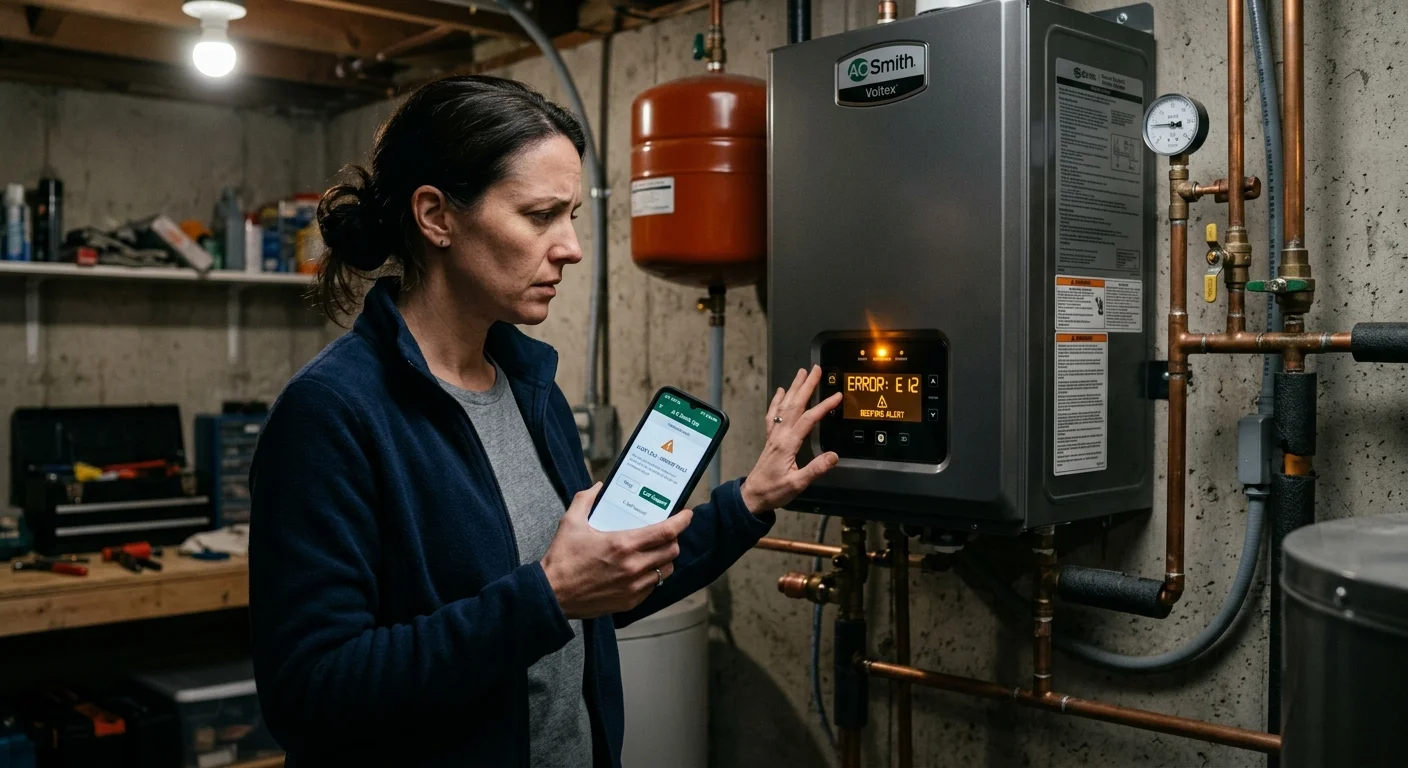
If you hear your water heater beeping, you are likely dealing with a modern hybrid heat pump or tankless unit. Traditional gas and electric tank models do not have electronic control boards or speakers, so they cannot beep. Modern energy-efficient systems use electronic sensors to monitor performance and alert you to potential issues.
A hybrid heat pump water heater may beep to let you know its air filter is clogged with dust. It can also beep if the condensate drain line is backed up, preventing the system from removing moisture. Tankless systems often beep and display a specific error code when they detect a scale buildup or a flame failure. This digital diagnostic system helps you catch minor issues before they turn into complete breakdowns.
Additionally, many homeowners place standalone electronic leak detectors near the base of their water heaters. If these battery-powered sensors detect moisture, they will emit a loud, continuous beep. If you hear a beep coming from your utility closet, check the display screen on your unit and inspect the floor for any signs of water. Early detection can save you thousands of dollars in water damage restoration costs.
Comparing Common Water Heater Noises and Their Meanings
Identifying the specific sound your system is making is the first step toward finding a solution. The table below compares common sounds, their most likely causes, and the recommended actions to resolve them.
| Type of Noise | Most Likely Cause | Recommended Action |
|---|---|---|
| Popping or Crackling | Steam bubbles bursting through sediment scale | Schedule a professional system flush |
| Low Rumbling | Heavy mineral buildup insulating the tank bottom | Call for professional sediment removal |
| High-Pitch Whistling | Restricted water valve or failing T&P safety valve | Shut down system and call a plumber immediately |
| Hissing or Sizzling | Scale on electric elements or condensation on burner | Request a professional heating element inspection |
| Loud Banging or Knocking | Water hammer or pipe expansion from high pressure | Install expansion tank or hammer arrestor |
| Electronic Beeping | System error code or active leak detector alarm | Check unit display board and inspect for leaks |
Proactive Steps to Resolve Water Heater Noise Issues
If your hot water heater making noise is causing concern, it is important to understand the steps a professional technician will take to restore quiet operation to your home. Trying to perform these steps yourself can be dangerous and may void your manufacturer’s warranty.
- Comprehensive Diagnostic: The technician will inspect the system to identify the source of the noise, checking the water pressure, safety valves, and electrical components.
- Safety Valve Testing: The plumber will test the Temperature and Pressure Relief valve to ensure it operates correctly and holds pressure safely.
- Professional System Flush: Using specialized equipment, the technician will flush out the accumulated sediment and mineral scale from the bottom of the tank.
- Heating Element Inspection: For electric systems, the technician will remove and inspect the elements, replacing them if they are coated in thick scale or showing signs of wear.
- Pressure and Expansion Check: The plumber will measure the incoming water pressure and verify that your thermal expansion tank is operating at the correct PSI.
A common mistake we see in Franklin and Brentwood is homeowners ignoring the pressure-reducing valve on their main water line. High city water pressure above 80 PSI ruins appliances and causes constant knocking noises. Having a professional test and adjust your home’s water pressure is one of the simplest ways to protect your plumbing system.
Expert Tips to Prevent Recurring Water Heater Noise in Middle Tennessee
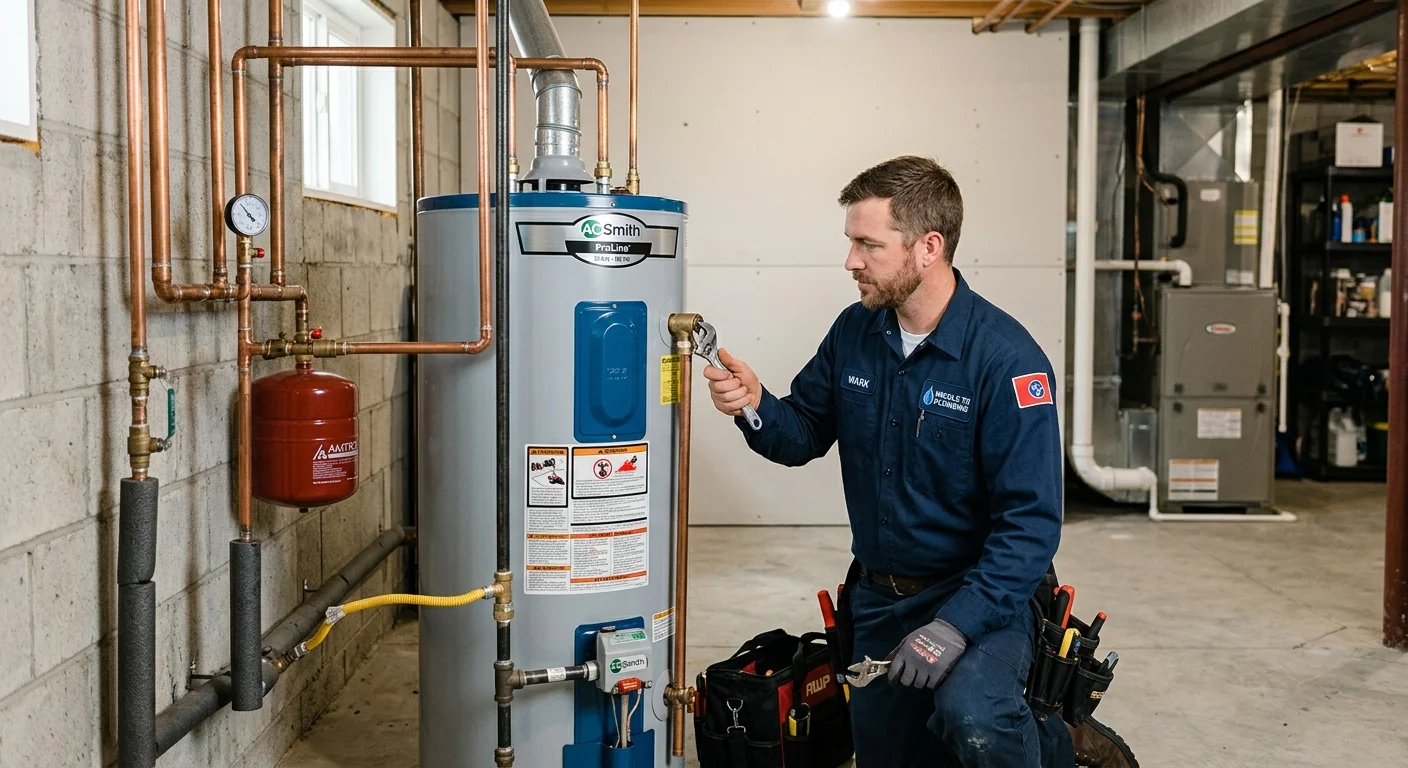
While a professional flush can resolve existing noise, preventing future buildup is key to extending the life of your equipment. A study by the Water Quality Association reveals that hard water can cause water heaters to lose up to 24% of their efficiency and fail up to two years earlier than expected. This makes hard water management incredibly important for Middle Tennessee homeowners.
Installing a whole-home water softener is the most effective way to eliminate mineral scale. By removing calcium and magnesium before they enter your plumbing system, you prevent scale from building up on your heating elements. This keeps your system quiet, maintains its energy efficiency, and protects your pipes, fixtures, and appliances from mineral damage.
Additionally, scheduling an annual water heater repair and maintenance visit ensures minor issues are caught early. Over time, regular maintenance can double the average water heater lifespan in Franklin, TN. Investing in routine care prevents unexpected breakdowns, lowers your utility bills, and ensures you always have quiet, reliable hot water.
Professional Middle Tennessee Water Heater Solutions
When your water heater starts making strange noises, you need fast, reliable help from local experts who specialize in hot water systems. At The Hot Water Heater Pros, we provide honest guidance, upfront pricing, and clean, professional installations across Franklin, Brentwood, Nashville, and the surrounding Middle Tennessee communities.
We focus exclusively on water heater services, meaning our technicians have the specialized training and tools to diagnose and resolve your water heater noise issues safely and efficiently. Whether you need a comprehensive system flush, a new pressure-reducing valve, or advice on a tankless upgrade, we are here to help. Contact us today to schedule your service with a professional water heater plumber and restore peace and quiet to your home.
