
If you suddenly find your water heater not working, the best course of action depends entirely on your system type. For electric water heaters, the problem is usually a tripped circuit breaker or a burnt-out heating element, which requires professional electrical testing and replacement. For gas water heaters, the issue is typically a failed thermocouple, an extinguished pilot light, or a malfunctioning gas control valve. While checking your electrical panel or verifying if your gas valve is open are safe initial steps, you should never attempt DIY electrical or gas repairs. High voltages and gas lines present severe safety hazards that require specialized tools and training. If your system keeps shutting down, hiring a qualified water heater service ensures a safe and code-compliant restoration of your hot water. Below, we break down exactly why your hot water heater stopped working and how local specialists diagnose these issues in Middle Tennessee.
Key Takeaways
- Identify the Power Source: Electric systems often fail due to tripped breakers or bad heating elements, while gas systems fail due to pilot light or thermocouple issues.
- Avoid DIY Hazards: Attempting to repair electrical components or gas lines without proper training can result in severe injury, electrocution, or gas leaks.
- Hard Water Impact: Sediment accumulation is a major cause of heating failure in Middle Tennessee, making annual professional maintenance essential.
- Know When to Replace: If your system is over 10 years old and experiencing recurring issues, replacement is often more cost-effective than constant repairs.
- Trust the Professionals: Licensed technicians have the diagnostic equipment to pinpoint hidden faults quickly and safely.
Why Your Electric Water Heater Stopped Working
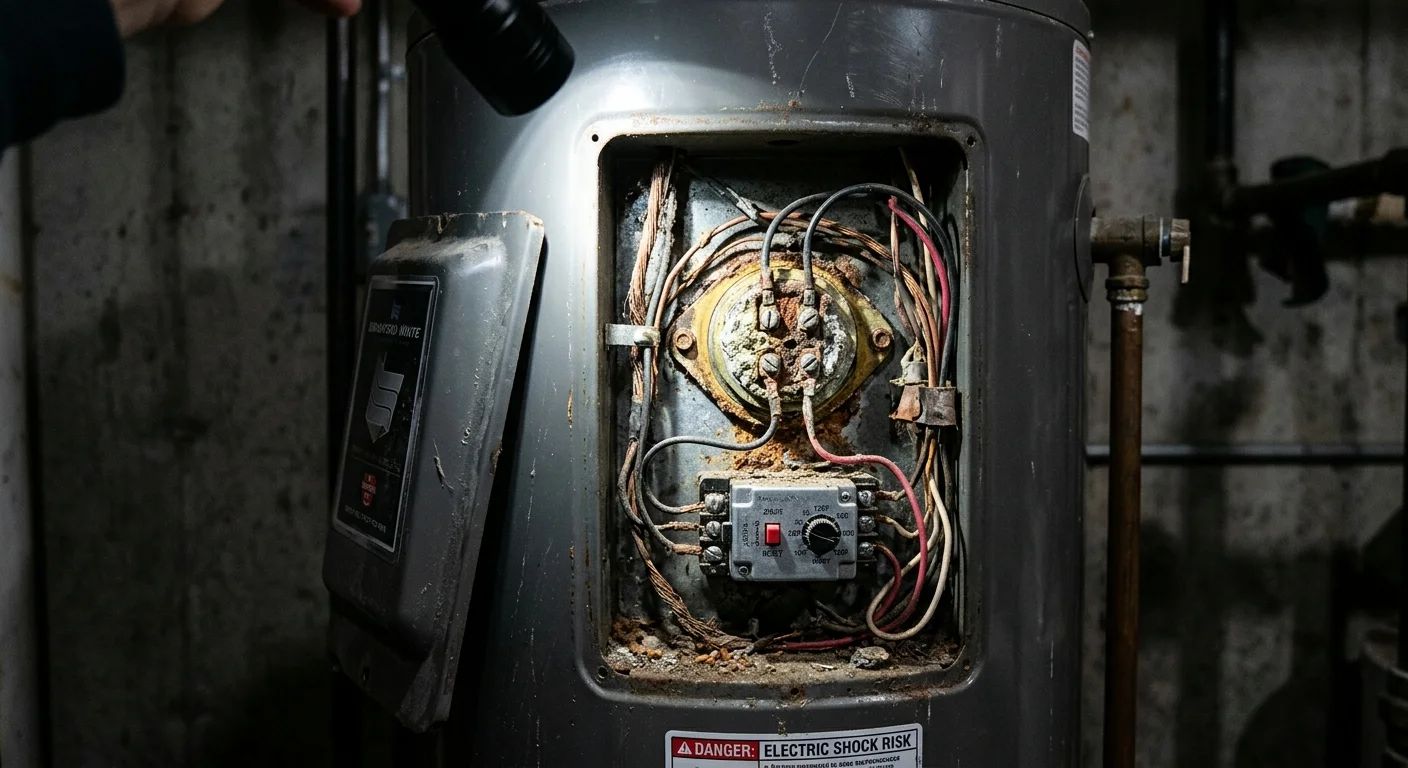
Electric water heaters usually stop working when there is an interruption in the electrical supply or when the internal heating elements fail. Your electric system relies on two heating elements: an upper element and a lower element. If the upper element burns out, your water will remain completely cold. If the lower element fails, you might get a small amount of lukewarm water that quickly turns icy.
Another common culprit is the high-limit safety switch, often referred to as the reset button. This switch is designed to shut off power to the water heater if the temperature inside the tank exceeds safe limits. A malfunctioning thermostat or a grounded heating element can cause this switch to trip repeatedly. A common professional mistake is assuming a tripped reset button is just a fluke. In reality, it is almost always a warning sign of a deeper component failure.
Never attempt to open the access panels or test the wiring yourself. Electric water heaters operate on 240-volt circuits, which can deliver a fatal shock. A licensed technician will use specialized multimeters to test the continuity of the elements and thermostats safely. If they find a failed component, they will drain the tank and replace the faulty parts.
Why Your Gas Water Heater Keeps Turning Off
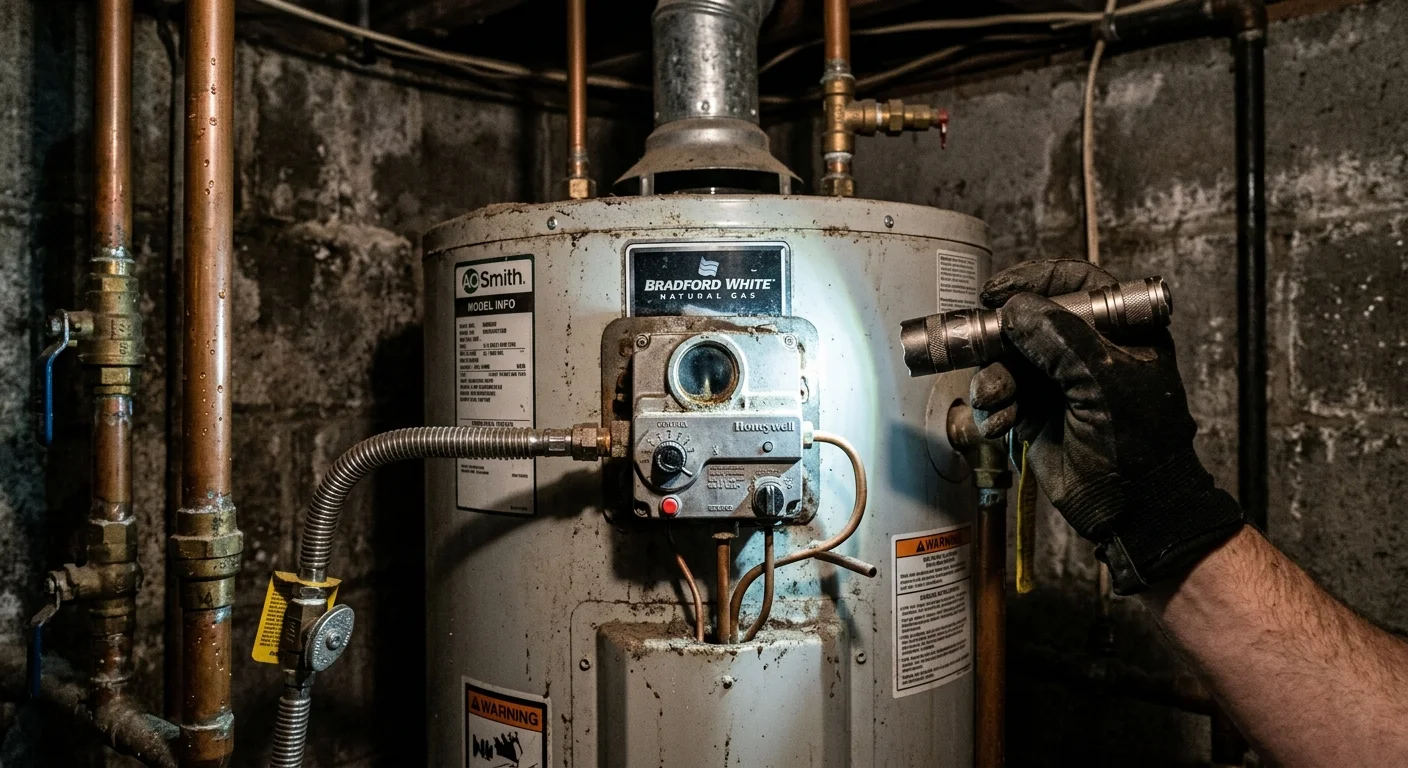
A gas water heater keeps turning off because of safety mechanism failures, venting restrictions, or fuel supply interruptions. The most critical safety device on your gas water heater is the thermocouple. This small metal probe sits next to the pilot light flame. It senses the heat from the pilot and sends an electrical signal to open the gas valve. If the pilot goes out, or if the thermocouple fails, the system shuts down the gas supply to prevent a dangerous gas buildup.
Another frequent issue is a blocked air screen or a clogged combustion chamber. Modern gas water heaters feature Flammable Vapor Ignition Resistant (FVIR) technology. This design requires a steady stream of clean air to support combustion. If dust, pet hair, or lint clogs the air filter at the bottom of the unit, the burner will starve of oxygen and shut down. This is why we frequently see a hot water heater stopped working in dusty basements or crowded utility closets.
Additionally, problems with the gas control valve itself can cause the water heater to turn off unexpectedly. Dealing with natural gas or propane requires extreme caution. If you smell gas, which resembles rotten eggs, leave your home immediately and contact emergency services. For any pilot or burner issues, hiring a professional gas water heater repair technician is the only safe way to restore hot water.
Comparing Electric vs. Gas Water Heater Failures
While both systems are designed to deliver hot water, their operational mechanisms create distinct failure points that require specialized professional solutions. Electric units suffer from electrical component degradation, while gas units are susceptible to mechanical, venting, and combustion issues. Understanding these differences helps homeowners recognize when to call for service. It also helps our technicians arrive fully prepared with the correct diagnostic tools and replacement parts. Below is a comprehensive comparison of how these systems fail and how a qualified technician resolves each problem.
| System Type | Common Failure Point | Professional Resolution |
|---|---|---|
| Electric Tank | Burnt-out upper or lower heating elements | Drain the tank, test resistance, and install new OEM elements. |
| Electric Tank | Tripped high-limit reset switch or failed thermostat | Test electrical continuity, replace faulty thermostats, and reset the switch. |
| Gas Tank | Failed thermocouple or dirty pilot assembly | Clean or replace the thermocouple and clear the pilot orifice of debris. |
| Gas Tank | Clogged FVIR air screen or intake vent | Clean the combustion chamber filter and verify adequate airflow. |
| Tankless System | Mineral scale buildup on the heat exchanger | Perform a chemical flush using food-grade descaling solution. |
Why Is My Hot Water Heater Not Working After a Power Outage?
A water heater often fails to function after a power outage because of electrical surges, tripped safety controls, or control board errors. When power is restored to the grid, a sudden surge of electricity can trip the main circuit breaker dedicated to your water heater. For electric models, this surge can also trip the high-limit safety switch located on the unit itself. If your hot water heater not working after a major storm, checking your main electrical panel is a safe first step.
For modern high-efficiency gas water heaters and tankless systems, the situation is slightly different. These units rely on electronic control boards to manage ignition, temperature settings, and safety sensors. A power surge can damage these sensitive electronic components, rendering the unit completely unresponsive. Even if the gas supply is active, the electronic ignition cannot spark without a functioning control board.
If your system has a digital display and remains completely dark after you have verified that your home’s main circuit breaker is on, the internal control board may have failed. Replacing a control board is a delicate process that involves handling complex wiring and ensuring proper ground connections. A professional technician can safely test the incoming voltage and replace the control board without risking further damage to your appliance.
How Hard Water and Sediment Cause Heating Failures
Hard water contains high concentrations of calcium and magnesium, which precipitate out of the water when heated and settle at the bottom of your tank. According to the U.S. Geological Survey, Middle Tennessee is known for having moderately hard to very hard municipal water. Over time, this mineral scale creates a thick barrier between the heating source and the water. This barrier makes it incredibly difficult for your system to heat the water efficiently.
In gas water heaters, this sediment layer acts as an insulator. The burner has to run much longer and hotter to heat the water through the thick crust of minerals. This overheating can cause the metal tank to expand and contract excessively, eventually weakening the steel and causing a catastrophic leak. If you want to know more about handling leaks, read our guide on why your water heater is leaking.
In electric water heaters, sediment can completely bury the lower heating element. This causes the element to overheat and burn out rapidly. You might hear strange popping, rumbling, or sizzling noises coming from your tank. This is the sound of water boiling underneath the sediment layer. To prevent these failures, flushing your water heater regularly is essential. A professional technician can thoroughly flush the system and inspect the anode rod to protect your tank from premature failure.
Diagnostic Steps When Your Hot Water Heater Is Not Working
Professional technicians follow a systematic diagnostic process to identify the root cause of your hot water failure quickly and safely. Attempting to troubleshoot these components without professional training poses significant risks of electric shock, gas leaks, and severe burns. Our technicians carry specialized safety gear and diagnostic instruments to handle these risks seamlessly.
Here is the standard diagnostic protocol a licensed plumber will perform when arriving at your home:
- Inspect the Power or Fuel Supply: The technician will verify that the circuit breaker is on and delivering correct voltage, or check that the gas supply valve is open and operating at the correct pressure.
- Check for Safety Code Violations: They will inspect the expansion tank, the temperature and pressure (T&P) relief valve, and the venting system to ensure everything is operating within safe parameters.
- Test the Electrical Components: For electric models, they will use a multimeter to measure the resistance of the upper and lower heating elements and check the thermostats for proper calibration.
- Examine the Burner Assembly: For gas models, they will inspect the pilot assembly, clean the thermocouple, check the millivolt output, and ensure the burner is receiving proper combustion air.
- Evaluate the Tank Condition: They will check for signs of internal corrosion, sediment accumulation, and small leaks that could damage surrounding areas.
By following this precise checklist, a professional can pinpoint the exact failure and provide you with an accurate, upfront estimate for the necessary repairs. This systematic approach saves you time and prevents you from spending money on unnecessary replacement parts.
The Financial Impact of Water Heater Repairs and Replacement
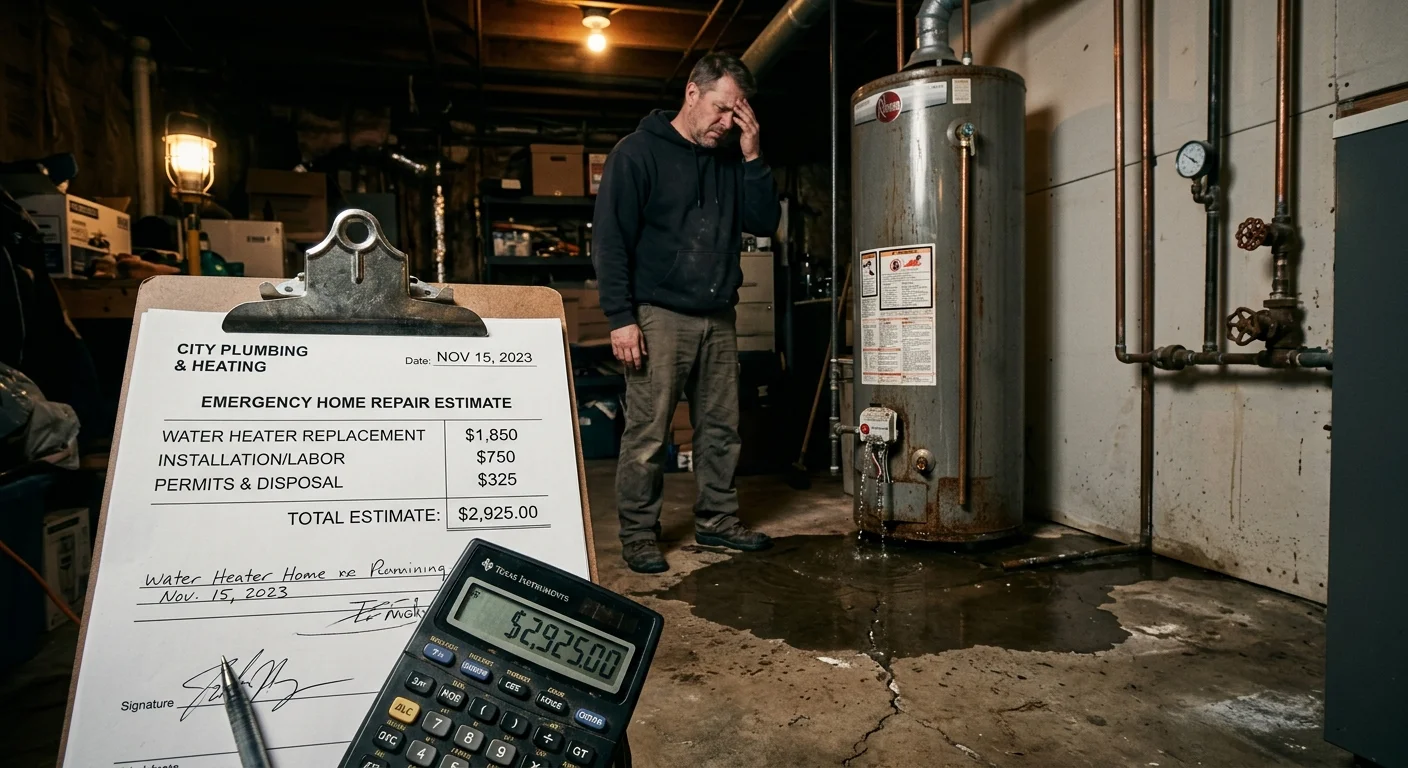
Deciding between repair and replacement depends on the age of your unit, the cost of the repair, and the overall efficiency of the system. According to the National Association of Home Builders, a standard tank water heater has an expected lifespan of 10 to 15 years. If your unit is approaching or has exceeded this window, spending money on repairs is often a temporary band-aid. The money spent on multiple repairs could be better used toward a new, energy-efficient system.
Minor repairs, such as replacing a thermocouple, thermostat, or heating element, are usually more affordable and depend on the specific issue and parts required. However, if the tank itself is leaking, the unit cannot be repaired, and the entire water heater must be replaced. A professional replacement for a standard tank model can vary significantly based on factors such as fuel type, capacity, installation requirements, and any necessary safety upgrades.
If you are facing a major repair bill on an older unit, we recommend reviewing our detailed article on how to repair or replace your water heater. Making an informed decision can save you thousands of dollars in utility bills and future repair costs. Additionally, the U.S. Department of Energy highlights that modern high-efficiency systems can reduce water heating bills by up to 50%, helping you recoup your replacement costs over time.
Get Reliable Hot Water Solutions Today
When your water heater stops working, you do not have to endure cold showers or risk the dangers of DIY electrical and gas repairs. At The Hot Water Heater Pros, we specialize exclusively in water heater systems. Our team of highly trained, local professionals serves homeowners throughout Franklin, Brentwood, Nashville, and the surrounding Middle Tennessee areas. We provide honest guidance, upfront pricing, and fast service to get your hot water running again safely. Whether you need a quick water heater repair, a comprehensive system flush, or a complete water heater replacement, we are here to help. Contact us today to schedule your service and experience the peace of mind that comes with expert care.
