
In Nashville and Middle Tennessee, replacing a standard tank-style water heater in 2026 typically costs between $1,500 and $3,200, whereas converting to a modern tankless system ranges from $3,500 to $6,500 including professional installation. If you need a fast, budget-friendly replacement, a conventional electric storage tank is your best option. Homeowners looking for endless hot water and long-term utility savings should choose a high-efficiency tankless model or a hybrid heat pump system. The total investment depends heavily on your choice of fuel source, tank capacity, and required municipal safety upgrades. By partnering with a dedicated local specialist, you ensure a quick, stress-free process that perfectly aligns with Middle Tennessee building codes. Here is an honest, straightforward breakdown of current market prices to help you plan your next home upgrade without any unexpected financial surprises.
How Much to Replace a Water Heater in Middle Tennessee?
Labor rates and local permit requirements in cities like Franklin, Brentwood, and Nashville directly shape your total project costs. According to the Energy Star program, water heating represents the second largest energy expense in most homes, accounting for roughly 18% of utility bills. Investing in a high-efficiency unit reduces your monthly bills immediately.
A simple swap of an existing unit in an easily accessible garage or basement takes less time and labor. However, if your water heater is located in a tight attic, a crawlspace, or an interior closet, the labor fees will increase. Local plumbing codes in Williamson and Davidson counties require specific safety upgrades during replacement, such as thermal expansion tanks and safety pan drains.
When planning your budget, it helps to distinguish between the cost of the unit itself and the professional water heater company required. Opting for a professional water heater replacement guarantees that the electrical connections, gas lines, and venting systems are installed safely and legally.
Average Water Heater Prices by Unit Type
The type of system you choose is the single largest factor in determining how much you will pay. Traditional tank-style systems remain highly popular because of their lower initial cost, while tankless and hybrid models are growing in popularity due to their superior efficiency.
Standard electric storage tanks are generally the least expensive units to purchase. Gas units cost slightly more upfront but often cost less to operate depending on current local natural gas rates. Hybrid heat pump water heaters carry a higher initial purchase price but pay for themselves quickly through dramatic energy savings.
| Water Heater Type | Average Equipment Price | Average Installed Cost | Expected Lifespan |
|---|---|---|---|
| Electric Storage Tank | $500 – $1,200 | $1,500 – $2,500 | 10 – 15 Years |
| Gas Storage Tank | $650 – $1,600 | $1,800 – $3,200 | 10 – 12 Years |
| Tankless Gas Unit | $1,200 – $2,500 | $3,500 – $6,500 | 20+ Years |
| Hybrid Heat Pump | $1,500 – $3,000 | $2,800 – $4,800 | 10 – 15 Years |
While the initial cost of a tankless system is higher, these units do not constantly hold and reheat water. This on-demand heating method eliminates standby energy loss, which helps lower your monthly utility costs over the system’s lifetime.
Understanding Gas Water Heater Replacement Cost vs Electric
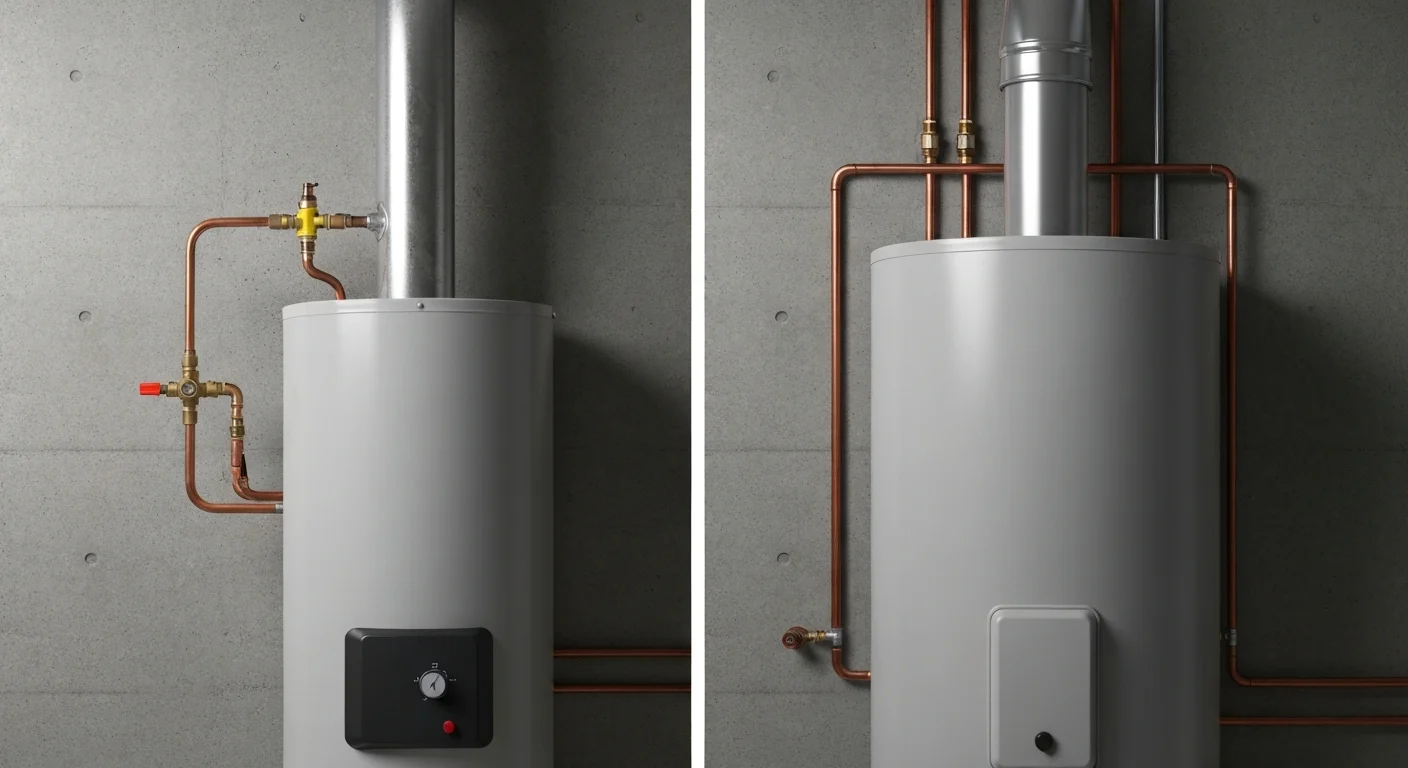
Choosing between natural gas and electricity involves looking at your home’s existing infrastructure and your long-term monthly budget. A gas water heater replacement cost is generally higher than an electric swap due to the complexity of venting combustible gases safely outside your home.
Electric systems utilize heating elements submerged directly in the water tank, requiring a dedicated 240-volt circuit. If your electrical panel is outdated, you may need an upgrade to handle the load of a new, high-powered electric unit. Gas systems require robust gas lines, specialized shutoff valves, and proper chimney or wall venting to prevent carbon monoxide buildup.
If you are considering switching your fuel source, you must prepare for additional labor and material expenses. The conversion process requires specific, meticulous steps to ensure complete home safety:
- Evaluate the existing utility connections to see if gas lines or electrical panels require upgrading.
- Install dedicated gas piping or run heavy-duty electrical wiring to the installation site.
- Create or modify venting paths through your roof or exterior wall for gas combustion models.
- Securely mount the new unit, connect all water supply lines, and test for potential leaks.
To weigh the pros and cons of each setup, read our detailed comparison on tankless vs tank water heaters comparison to see which matches your lifestyle.
Water Heater Replacement Cost for 40-Gallon and 50-Gallon Tanks
The physical size of your storage tank must match your household’s peak water usage. A water heater replacement cost 40 gallon unit typically ranges from $1,400 to $2,200 installed, making it an excellent, cost-effective option for smaller homes with one to three residents.
For larger families with three to five people, a water heater replacement cost 50-gallon system is the industry standard, usually running between $1,700 and $2,800 installed. The extra ten gallons of capacity ensure that multiple appliances can run simultaneously without running out of hot water.
An expert recommendation from our field technicians: never buy a smaller tank just to save $150 upfront. An undersized system will constantly run out of hot water, forcing it to cycle repeatedly, which accelerates wear and causes premature tank failure. Matching your tank size to your actual demand extends the life of your equipment and prevents early replacement bills.
Tankless Water Heater Replacement Cost and Long-Term Value
An on-demand system provides an endless supply of hot water, making it a premium upgrade for modern homes. A tankless water heater replacement cost ranges from $3,500 to $6,500 because the installation process is highly technical and requires specialized plumbing modifications.
Gas tankless units require larger gas lines to handle the intense, rapid heating process. They also require dedicated concentric venting systems to pull in fresh outside air and exhaust combustion gases safely. If you are retrofitting an older home, these utility upgrades can add several hundred dollars to the total project bill.
Despite the higher initial investment, the long-term savings are substantial. According to the U.S. Department of Energy, active water heating accounts for a massive portion of home energy use, and transitioning to high-efficiency equipment can save average households hundreds of dollars annually. For a deep dive into these retrofitting expenses, explore our detailed tankless installation cost breakdown.
Hidden Fees in the Total Cost of Water Heater Replacement
The price tag on a water heater box at a retail store does not reflect the total cost to get the system up and running safely. Municipal safety permits, code compliance upgrades, and disposal fees are necessary expenses that must be factored into your budget.
Building codes change regularly to protect homeowners from flooding, fire, and gas hazards. The International Code Council sets safety standards that local Tennessee municipalities enforce, including the mandatory use of thermal expansion tanks on closed water systems. These expansion tanks absorb excess pressure, protecting your main water heater tank from cracking.
Other common code-related requirements include:
- Thermal Expansion Tanks: Required on closed plumbing systems to prevent pressure spikes.
- Drip Pans and Drain Lines: Essential if your unit is located inside a finished living area or attic to prevent catastrophic water damage.
- Gas Shutoff Valves: Upgraded valves that ensure you can quickly shut off fuel supply in an emergency.
- Sediment Traps: Legally required on gas lines to prevent debris from entering the gas control valve.
Why Professional Installation Outperforms DIY Methods
Installing a water heater in Nashville involves working with high-voltage electricity, natural gas, and pressurized water simultaneously. While doing the work yourself might seem like a way to save money, a single mistake can lead to carbon monoxide poisoning, gas leaks, major electrical fires, or severe water damage.
Many major manufacturers, including Rheem and A.O. Smith, will void their product warranties if the system is not installed by a licensed professional. If a DIY-installed tank leaks and ruins your finished basement, your homeowner’s insurance policy may deny the claim due to a lack of professional permits and licensing.
A specialized technician knows how to size the system correctly, configure the gas pressure, and ensure the venting is clear. This professional expertise guarantees peace of mind and keeps your family safe year after year.
How to Choose the Right Water Heater for Your Home
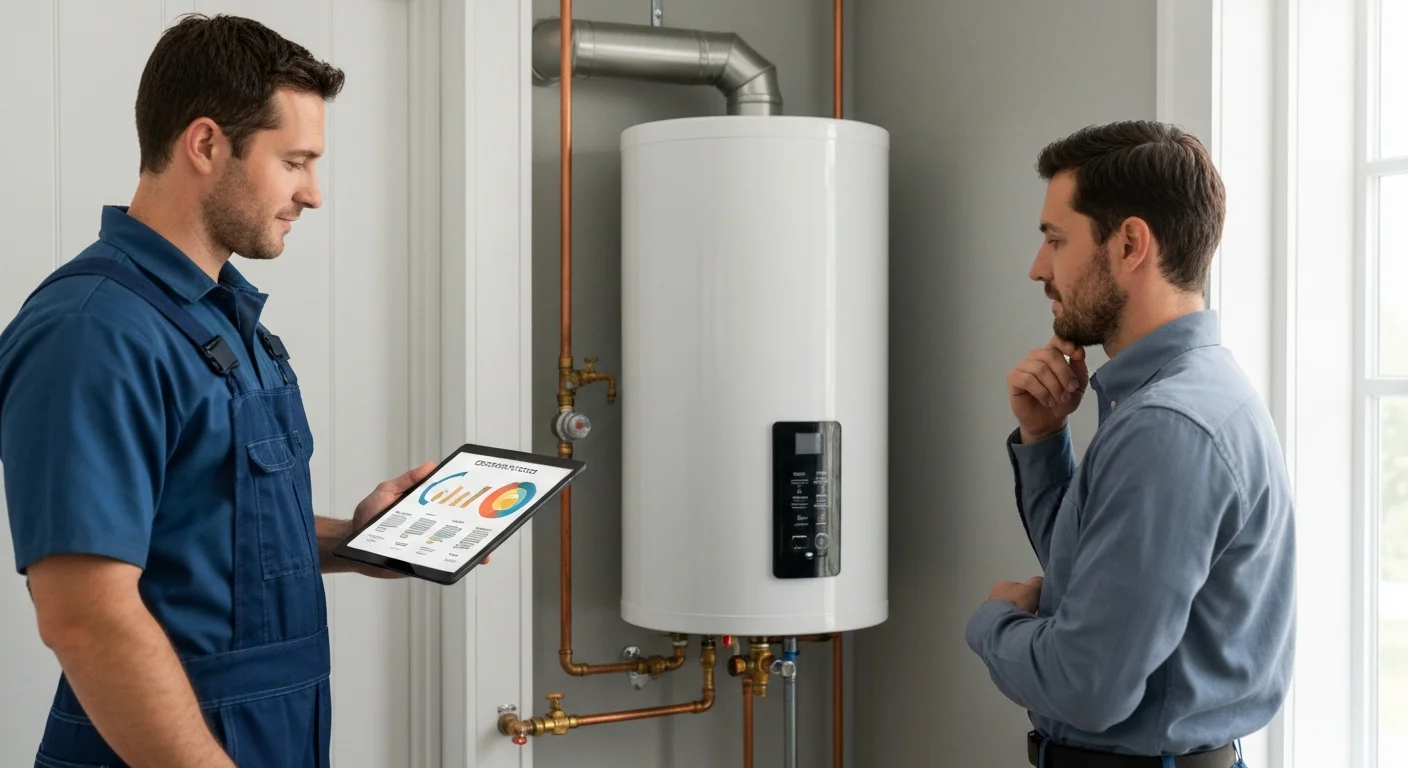
To find the best balance between upfront cost and monthly savings, evaluate your home’s daily routine. Consider how many showers are taken at the same time, whether you run the dishwasher while washing clothes, and your long-term plans for the property.
If you plan to stay in your home for more than ten years, investing in a high-efficiency tankless or hybrid heat pump system makes great financial sense. If you are preparing to sell your home soon or have a tight budget, a traditional, high-quality electric or gas tank replacement provides a reliable solution at a lower initial price point.
Key Takeaways for Middle Tennessee Homeowners
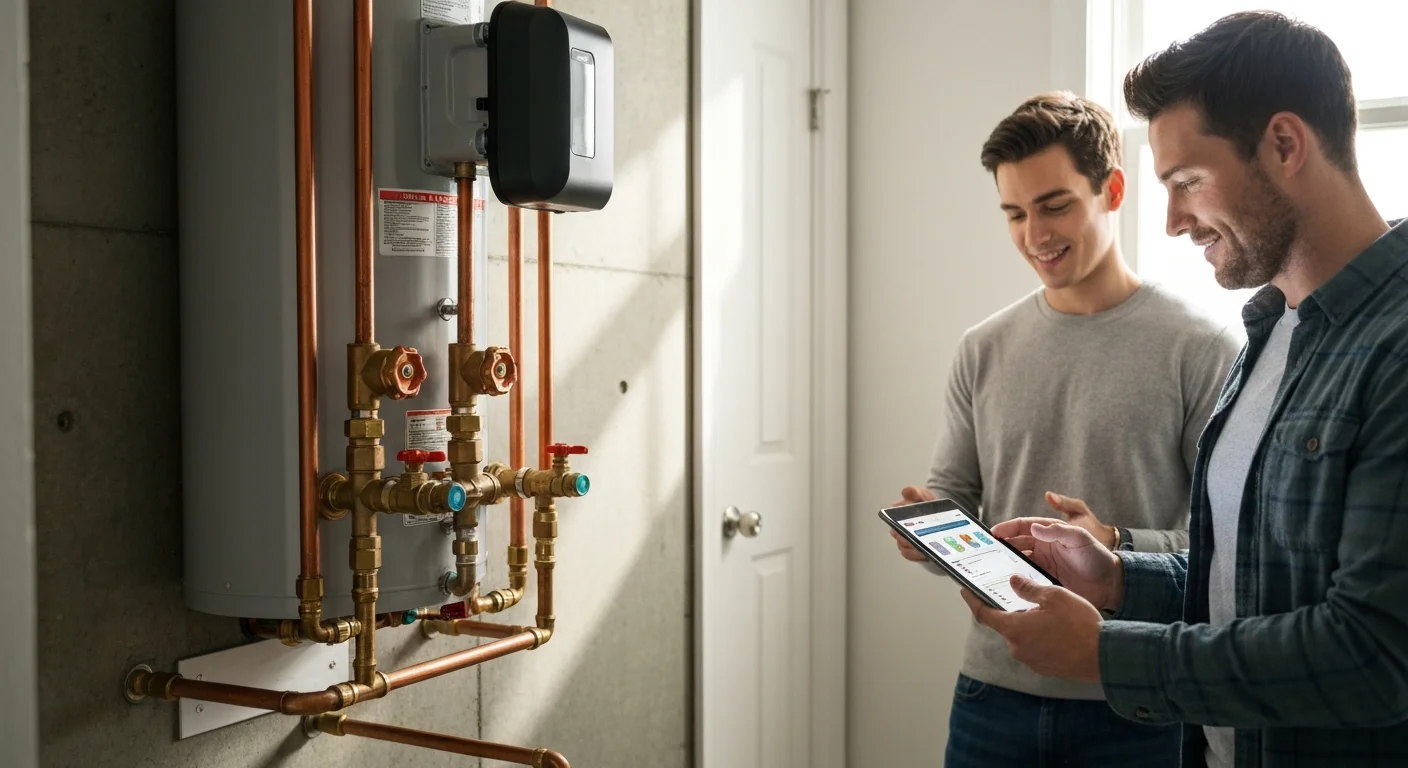
- Traditional tank replacements generally range from $1,500 to $3,200, whereas converting to a tankless system typically costs between $3,500 and $6,500.
- Tank size significantly dictates the upfront equipment price, with 40-gallon and 50-gallon tanks being the most common choices for local families.
- Opting for a professional, specialized installer prevents code violations, maintains manufacturer warranties, and ensures your home is protected from catastrophic water damage.
- High-efficiency hybrid heat pump water heaters offer the lowest operating costs, often qualifying for federal tax credits and local utility rebates.
