
The time it takes for a water heater to heat up varies significantly depending on its type, capacity, and energy source. For a standard 40-gallon storage tank, a natural gas unit typically heats a full tank from cold in approximately 30-40 minutes. An electric water heater of the same capacity will generally require 60-90 minutes for a complete heating cycle. Tankless water heaters, whether gas or electric, operate differently by providing hot water on demand, meaning there is no “reheat” time; instead, hot water is available almost instantly, usually within seconds as it travels from the unit to the faucet. The specific duration for traditional tank heaters is influenced by factors such as the water heater’s size, the incoming water temperature, and the presence of sediment buildup. Understanding these differences is crucial for managing household hot water demands and ensuring efficiency.
Understanding Water Heater Recovery Times by Type
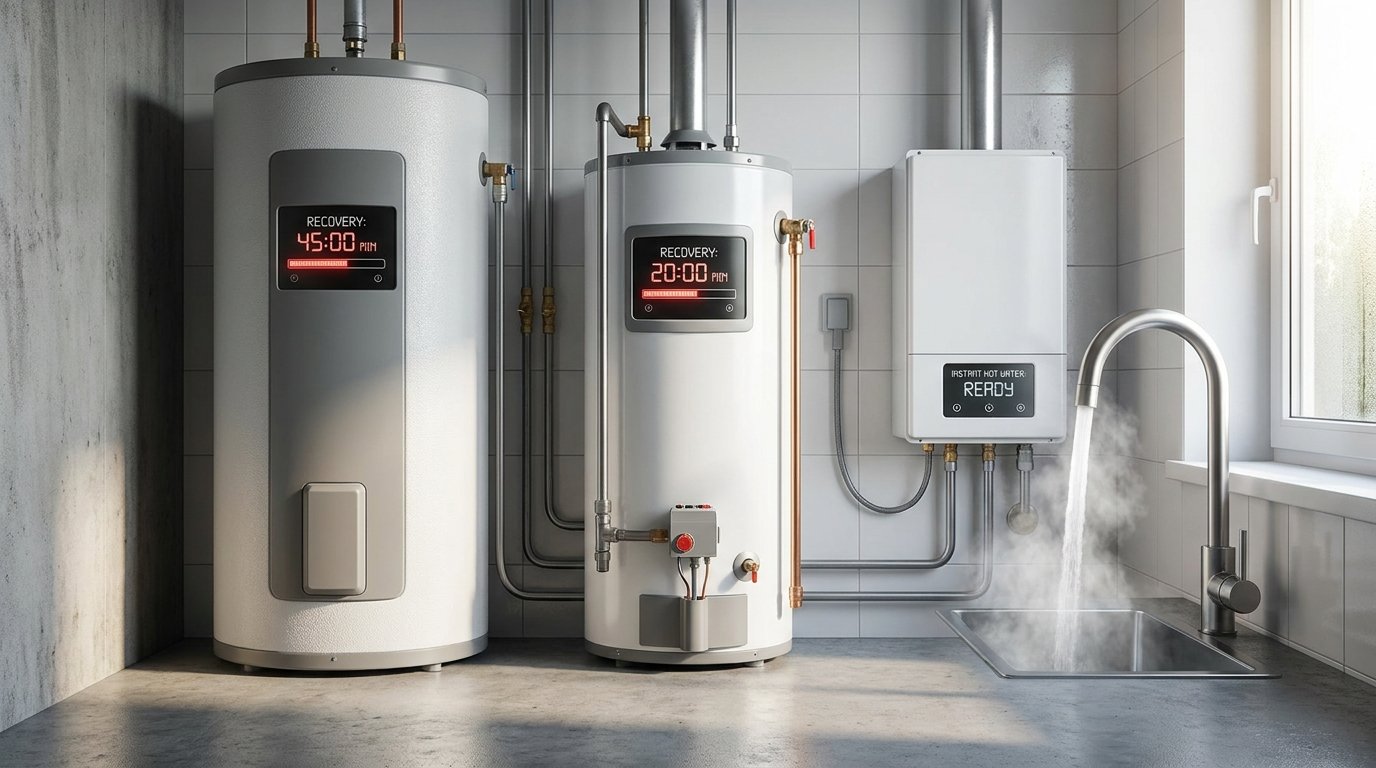
The speed at which your water heater generates hot water is primarily dictated by its design and energy source. Each type of water heater offers a distinct performance profile when it comes to heating water for your home.
Gas Water Heaters: Swift and Powerful
Gas water heaters are renowned for their rapid recovery times. They utilize a powerful burner located beneath the tank, which quickly transfers heat to the water. A typical 40 to 50-gallon gas water heater can reheat its entire contents in about 30 to 40 minutes after the hot water supply has been depleted. Larger gas units, such as those with a 75-gallon capacity, might take closer to an hour. This efficiency makes gas models a popular choice for larger households with high hot water demands, where quick turnaround between showers or laundry cycles is essential.
Electric Water Heaters: Steady and Efficient
Electric water heaters, while highly efficient in energy transfer, tend to have longer recovery times compared to their gas counterparts. Instead of a burner, they rely on two electric heating elements—one upper and one lower—to warm the water. For a 40 to 50-gallon electric tank, the full heating process can take anywhere from 60 to 90 minutes. For larger electric tanks, such as 75 to 80-gallon models, users should anticipate waiting up to two hours for the water to reach the desired temperature. This longer duration often necessitates careful scheduling of hot water usage in homes with electric units.
Tankless Water Heaters: On-Demand Hot Water
Tankless water heaters, also known as on-demand water heaters, revolutionize hot water delivery by eliminating the need for a storage tank. These units heat water instantly as it flows through them, meaning there is no waiting for a tank to refill and reheat. When a hot water tap is opened, the unit detects the flow and activates a powerful heating element (either gas or electric) to warm the water to the set temperature before it reaches your fixture. The main “wait” with a tankless system is the few seconds it takes for the hot water to travel from the unit through your pipes to the faucet. This continuous supply of hot water makes them ideal for homes where hot water is needed consistently without interruption, or for those seeking greater energy efficiency over time.
Here is a comparison of common water heater types and their typical heating characteristics:
| Water Heater Type | Typical Recovery Time (40-50 Gallons) | Energy Source | Key Advantage |
|---|---|---|---|
| Gas Storage Tank | 30-40 minutes | Natural Gas or Propane | Fastest recovery, good for high demand |
| Electric Storage Tank | 60-90 minutes | Electricity | Lower initial cost, simpler installation |
| Gas Tankless | Instantaneous (on-demand) | Natural Gas or Propane | Unlimited hot water, energy efficient |
| Electric Tankless | Instantaneous (on-demand) | Electricity | Compact, suitable for point-of-use |
Factors Influencing How Quickly a Water Heater Heats Up
Beyond the fundamental differences in water heater types, several operational and environmental factors can significantly impact how long your unit takes to heat water. Understanding these elements can help diagnose slow heating and improve your system’s efficiency.
Tank Capacity and First-Hour Rating
The physical size of your water heater’s tank is a primary determinant of its heating duration. A larger tank, by virtue of holding more water, inherently takes longer to heat its full volume compared to a smaller one. However, tank size alone does not tell the whole story. The “First-Hour Rating” (FHR) is a more practical metric, indicating how many gallons of hot water a storage tank water heater can deliver in an hour, starting with a full tank. This rating combines the stored hot water capacity with the unit’s ability to recover. A higher FHR means more hot water available during peak demand, irrespective of raw tank size.
Incoming Water Temperature
The temperature of the incoming cold water from your main supply directly affects the heating time. In Franklin, TN, like many other regions, groundwater temperatures fluctuate significantly throughout the year. During colder winter months, the incoming water can be substantially colder than in the summer. This means your water heater must exert more energy and operate for a longer period to raise the water to the desired temperature, naturally extending the recovery time. Conversely, warmer incoming water in summer reduces the workload and shortens heating cycles.
Thermostat Setting
The temperature you set your water heater’s thermostat to directly influences heating time. The U.S. Department of Energy recommends a thermostat setting of 120°F for most households to balance comfort, safety, and energy efficiency. Setting the temperature higher, say to 140°F, will inevitably prolong the heating process because the unit has to work harder to achieve a greater temperature increase. While a higher setting might provide hotter water, it also consumes more energy and increases the risk of scalding, making 120°F a sensible compromise for most domestic applications.
Age and Maintenance Level
The age of your water heater and the consistency of its maintenance regimen play critical roles in its heating performance. Over time, components can wear out or become less efficient. Sediment buildup at the bottom of the tank is a pervasive issue, particularly in areas with hard water. These mineral deposits act as an insulating barrier between the heating elements (or gas burner) and the water, forcing the unit to work harder and longer to transfer heat. According to some studies, significant sediment accumulation can reduce a water heater’s efficiency by up to 30%. Regular water heater maintenance, including flushing the tank, is crucial to mitigate this problem.
One common professional mistake many homeowners make is neglecting to flush their water heater annually. This oversight leads to excessive sediment accumulation, which not only slows down heating but also prematurely degrades the tank and heating elements. A proper flush should be part of routine care.
Condition of Heating Elements or Burner
For electric water heaters, the health of the heating elements is paramount. If one or both elements are failing or burnt out, the unit will struggle to heat water efficiently, often resulting in lukewarm water or significantly extended heating times. In gas water heaters, issues with the burner assembly, such as a clogged pilot light or a faulty thermocouple, can impede proper combustion and heat generation. These component failures require professional diagnosis and replacement to restore optimal performance.
To ensure your water heater operates efficiently, consider these maintenance actions:
- Annual Flushing: Drain and flush your water heater tank yearly to remove sediment buildup. This task can significantly improve efficiency and extend the lifespan of your unit.
- Temperature Check: Confirm your thermostat is set to 120°F. Adjusting it lower can save energy, while higher settings consume more and pose scalding risks.
- Anode Rod Inspection: The anode rod corrodes to protect your tank. Inspect it every 3-5 years and replace it when significantly depleted to prevent tank rust.
- Insulation: Insulating older tanks and hot water pipes can reduce heat loss, meaning less energy is required to maintain water temperature.
Troubleshooting Common Water Heater Heating Problems
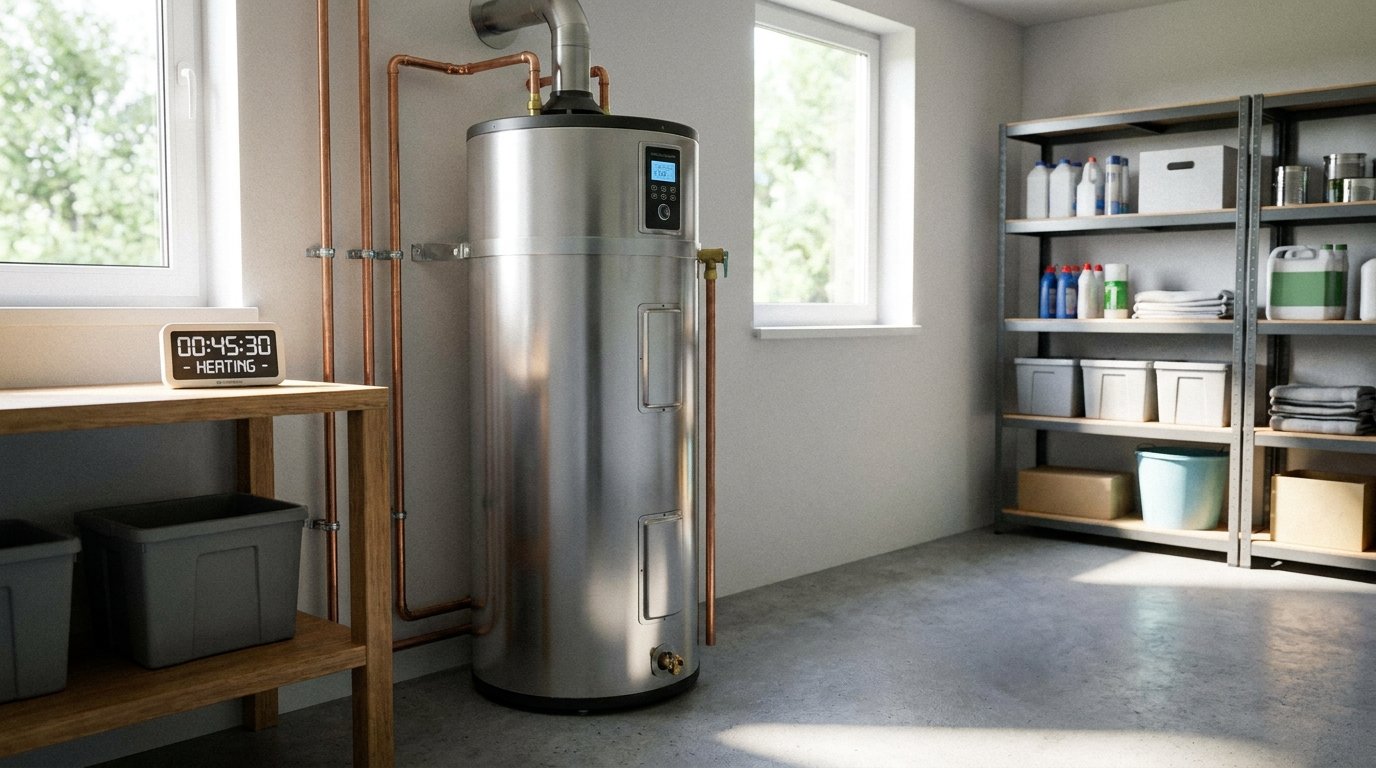
When your water heater suddenly takes an unusually long time to heat up, or fails to produce enough hot water, it often points to a few common issues. Identifying these problems early can prevent further complications and restore efficient operation.
Sediment Buildup: The Insulating Layer
Sediment buildup at the bottom of your water heater tank is arguably the most frequent culprit behind slow heating. Minerals such as calcium and magnesium, dissolved in your water supply (especially in hard water areas), precipitate out and settle as a layer of sludge. This layer forms an effective barrier, insulating the water from the heating element or gas burner. As a result, the heater must work harder and for longer periods to transfer heat through the sediment to the water above. You might hear popping or rumbling noises when the heater is running, which indicates boiling water trapped beneath the sediment layer. Regular flushing of the water heater tank is the primary preventative measure.
Failing Heating Elements (Electric Water Heaters)
Electric water heaters typically have two heating elements. If one element fails, the remaining operational element must bear the entire heating load, effectively doubling the recovery time. If both elements are failing or have accumulated excessive mineral deposits, the unit will struggle significantly to heat water, often resulting in only lukewarm temperatures. Replacing a single heating element typically costs $20-$80 for the part itself, with professional installation ranging from $150-$300 for labor, depending on the complexity and local rates in areas like Franklin, TN.
Malfunctioning Thermostat
A faulty thermostat can lead to incorrect temperature readings or an inability to signal the heating elements or burner to activate. If your water heater’s thermostat is broken, it might not turn on at all, or it might cut off power prematurely, leaving you with cold or inadequately heated water. While you can often test a thermostat with a multimeter, diagnosing and replacing it is usually best left to a professional to ensure safety and proper calibration.
Pilot Light or Burner Issues (Gas Water Heaters)
For gas water heaters, problems with the pilot light or burner can severely impact heating performance. A pilot light that frequently goes out, a dirty burner that isn’t igniting properly, or a clogged thermocouple can all prevent the unit from heating water effectively. These issues can be particularly hazardous due to the involvement of natural gas, so any concerns should be addressed by a qualified gas technician immediately.
Inadequate Water Heater Sizing
If your water heater has always struggled to keep up with demand, it might be undersized for your household’s needs. A unit that is too small for the number of residents or appliances requiring hot water will constantly be in recovery mode, leading to frequent cold showers. Consulting a professional to assess your hot water usage and recommend the correct water heater size is essential if you suspect this is the underlying problem.
When to Call a Professional for Water Heater Issues
While some minor water heater problems can be addressed by a handy homeowner, many issues require the expertise and safety protocols of a licensed professional. Knowing when to contact a plumber can save you from costly damage, potential hazards, and further frustration.
Persistent Slow Heating After Maintenance
If you have flushed your tank, checked your thermostat settings, and ruled out simple solutions, but your water heater still takes an excessively long time to heat up, it’s a clear sign to call for professional help. This persistent issue often indicates internal component failures, such as damaged heating elements, a failing anode rod, or deeper sediment problems that require specialized tools and knowledge to resolve. A professional technician can conduct a thorough diagnostic to pinpoint the exact cause.
Unusual Noises or Odors
Any strange noises emanating from your water heater beyond normal operational sounds warrant immediate attention. Loud popping, rumbling, or banging noises are often indicative of severe sediment buildup, which can stress the tank and lead to premature failure. Hissing sounds might point to leaks. Furthermore, a rotten egg smell often signals a reaction between the anode rod and certain water chemistries, sometimes indicating bacterial growth within the tank, which a plumber can effectively treat or remedy. Any gas-related odors, such as sulfur or rotten eggs, require immediate evacuation and contacting the gas company and a plumber.
Visible Leaks Around the Tank
Even small puddles or dampness around the base of your water heater are serious warning signs. Leaks can originate from various points, including pressure relief valves, pipe connections, or cracks in the tank itself. While minor leaks from connections can sometimes be tightened, a leak from the tank usually signifies internal corrosion or structural failure, which often means the unit needs to be replaced. Ignoring a leak can lead to significant water damage to your home and potential mold growth.
Discolored or Rusty Water
If your hot water appears rusty, brown, or discolored, it is a strong indicator of internal corrosion within the water heater tank. This means the protective lining of the tank has likely failed, and the steel components are rusting. While a simple flush might temporarily improve water clarity, the underlying issue of tank degradation is irreversible. Rust-colored hot water is a critical sign that your water heater is nearing the end of its lifespan and will likely require replacement soon. Continued use can lead to tank rupture.
Frequent Need for Resetting
If your water heater frequently trips its circuit breaker or requires constant resetting, it indicates an electrical fault or an overloaded circuit. For electric models, this could point to shorted heating elements or wiring issues. For both gas and electric, a faulty thermostat or high-limit switch can cause repeated shutdowns. These electrical problems are not only inconvenient but can also pose fire hazards, making professional inspection and water heater repair crucial for safety.
When in doubt, especially concerning gas lines or electrical components, always err on the side of caution and contact a certified professional. Attempting DIY repairs without proper training and tools can lead to dangerous situations and further damage to your appliance.
Optimizing Your Hot Water System for Efficiency and Longevity
Beyond understanding recovery times, implementing strategies to optimize your hot water system can lead to significant energy savings, extend the lifespan of your unit, and ensure a consistent supply of hot water for your household.
Regular Professional Maintenance
The single most effective way to ensure your water heater operates efficiently and lasts longer is through regular professional maintenance. This includes an annual inspection, flushing the tank to remove sediment, checking the anode rod for corrosion, testing the temperature and pressure relief (T&P) valve, and inspecting heating elements or burners. Proactive maintenance can catch minor issues before they escalate into major, costly repairs. For instance, addressing sediment buildup promptly can prevent it from hardening and causing more severe damage to the tank and components. Companies like The Hot Water Heater Pros offer comprehensive gas water heater maintenance and electric water heater maintenance services.
Considering a Water Softener
If you live in an area with hard water, the installation of a water softener can dramatically reduce mineral buildup in your water heater and plumbing system. Hardness minerals are the primary cause of sediment, scale on heating elements, and reduced efficiency. By removing these minerals, a water softener can help your water heater maintain its heating efficiency, extend its lifespan, and reduce the frequency of maintenance tasks like flushing. While the initial investment for a water softener can range from $800 to $2,000, the long-term savings in energy costs and appliance longevity often make it a worthwhile consideration.
Insulating Your Water Heater and Pipes
For older storage tank water heaters that lack sufficient insulation, adding an insulating blanket can reduce standby heat loss by 25-45%, saving 4-9% on water heating costs, according to the U.S. Department of Energy. Similarly, insulating your hot water pipes can prevent heat loss as water travels from the heater to your faucets, meaning the water arrives hotter and you waste less energy waiting for it to warm up. This is a low-cost, high-impact upgrade that can be particularly beneficial in colder climates or unheated utility spaces. Foam pipe insulation is relatively inexpensive, costing roughly $1-$2 per linear foot.
Strategic Hot Water Usage
Adjusting your household habits to optimize hot water usage can also improve efficiency. Spacing out high-demand activities like showering, laundry, and dishwashing allows your storage tank water heater sufficient time to recover. For tankless systems, understanding the unit’s flow rate capacity is key; running too many hot water fixtures simultaneously can overwhelm the unit, leading to reduced temperature or flow. A typical tankless unit can deliver 2-5 gallons per minute (GPM), meaning it can often handle two concurrent showers but might struggle with three or a shower and a washing machine running simultaneously.
Upgrading to a More Efficient Model
If your water heater is old (generally 10+ years for tank units) or consistently inefficient, consider upgrading to a newer, more energy-efficient model. Modern water heaters, including high-efficiency gas tanks, advanced electric heat pump water heaters, and tankless units, are designed to significantly reduce energy consumption. For example, ENERGY STAR certified heat pump water heaters can save a household of four approximately $3,300 over their lifetime compared to a standard electric model. When planning an water heater installation, The Hot Water Heater Pros in Franklin, TN, can help you assess the best options for your home and budget.
The Hot Water Heater Pros: Serving Franklin, TN and Beyond
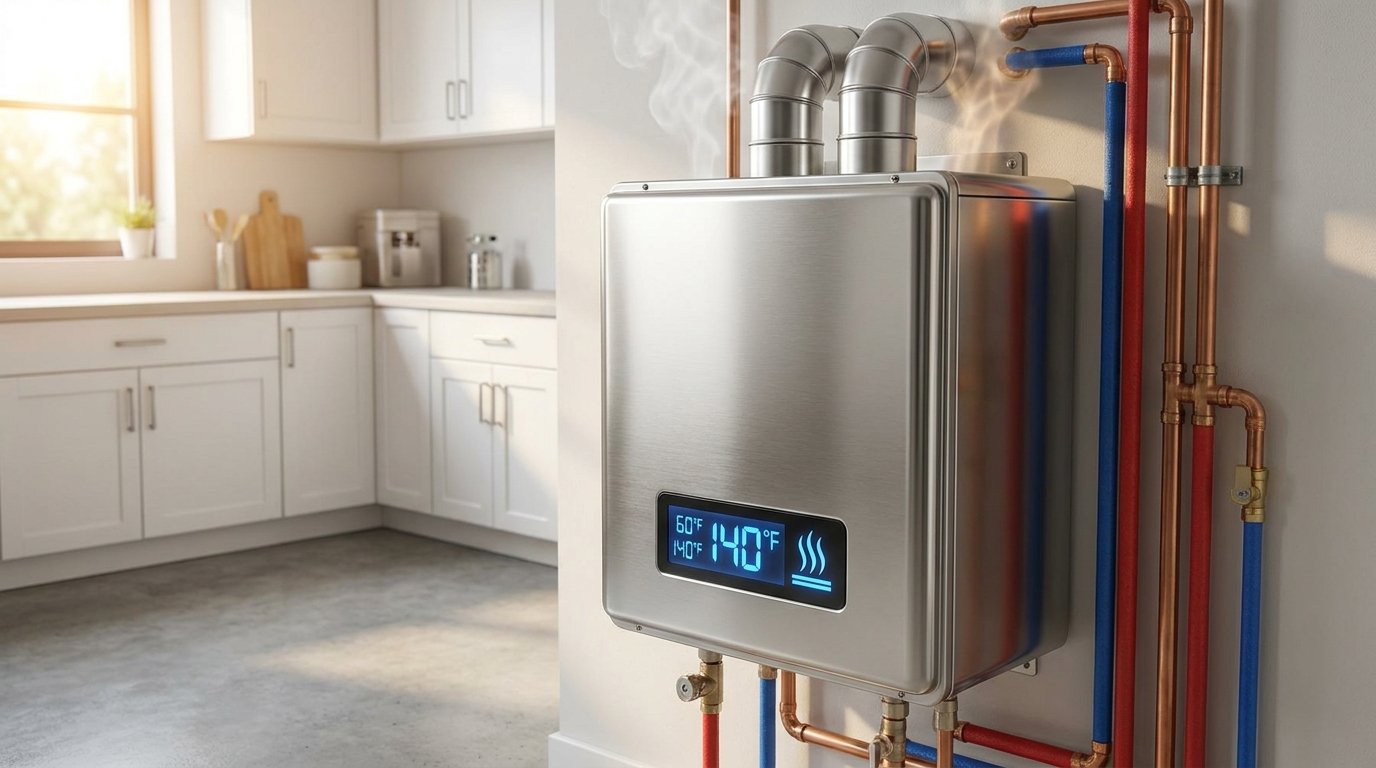
For residents of Franklin, TN, and surrounding communities, ensuring reliable and efficient hot water is a priority. The Hot Water Heater Pros understand the unique plumbing and water quality challenges faced by homeowners in this region. Whether you are dealing with a slow-heating water heater, planning a new installation, or simply seeking proactive maintenance, our team of certified professionals is equipped to provide expert solutions.
We offer a full spectrum of water heater services, from precise diagnostics and emergency water heater repair to efficient replacements and installations of all types—gas, electric, tankless, and hybrid heat pump units. Our commitment to quality workmanship, transparent pricing, and exceptional customer service ensures that your hot water needs are met with the highest standards of professionalism and reliability. Trust The Hot Water Heater Pros, your reliable water heater company, to keep your hot water flowing consistently and efficiently, making your home comfortable year-round.
