
How Do Water Filters Work? Understanding Your Water Purification System
Water filters function by employing various physical and chemical processes to reduce or eliminate contaminants from your tap water. For general improvement of taste and odor, an activated carbon filter is an excellent choice, as it effectively adsorbs chlorine and many organic compounds. If your concern is broader, encompassing dissolved solids, heavy metals, or lead, a reverse osmosis (RO) system offers comprehensive purification, utilizing a semi-permeable membrane to block even microscopic particles. Addressing specific issues like hard water minerals (calcium and magnesium) requires an ion exchange water softener. Each system targets distinct impurities, making a proper water analysis crucial to identify your water’s specific challenges and select the most effective filtration method for your home, ensuring clean, safe, and pleasant-tasting water.
How Do Water Filters Capture Contaminants?
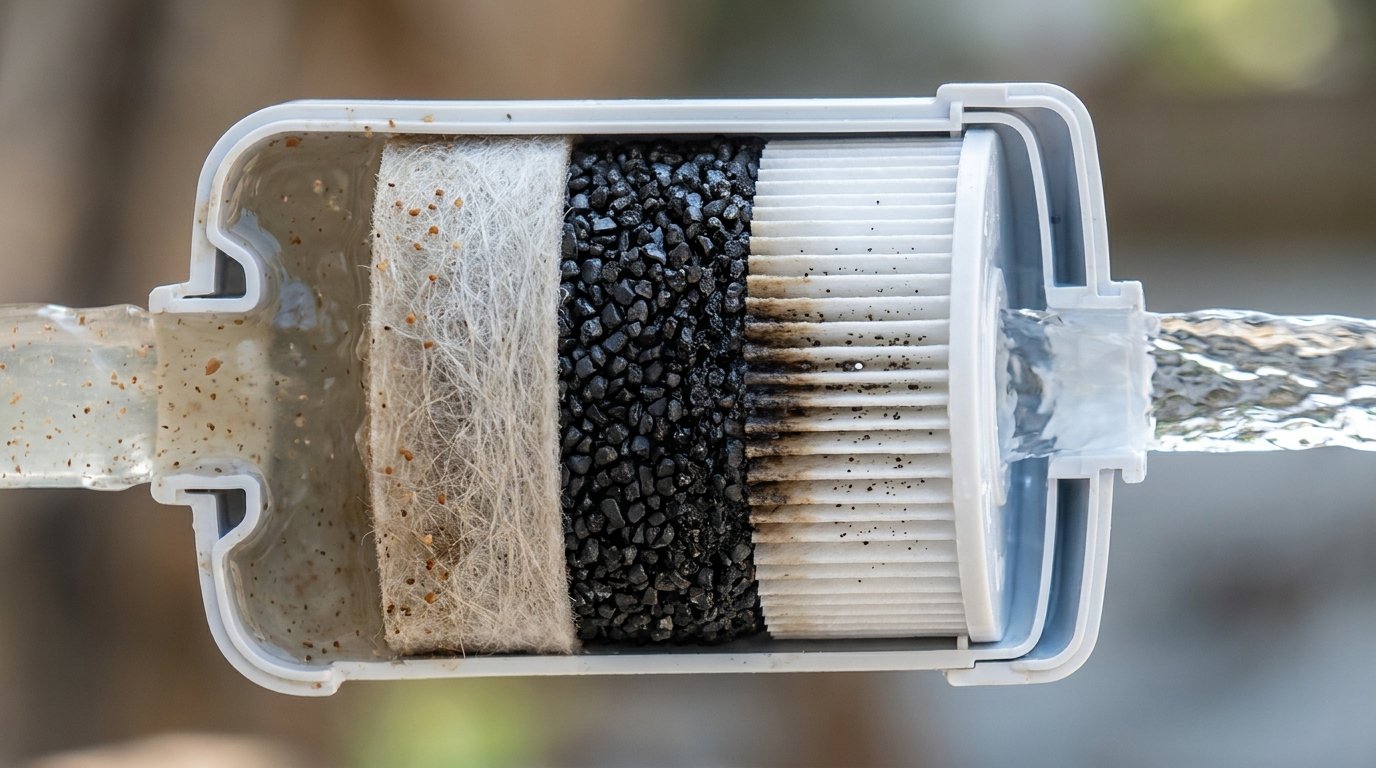
Water filters capture contaminants through a range of scientific principles, primarily categorized into physical filtration, chemical adsorption, ion exchange, and membrane separation. Each method is designed to address different types and sizes of impurities present in the water supply. Understanding these mechanisms is fundamental to appreciating how a water purification system works to deliver cleaner water to your home.
Physical filtration involves a mechanical barrier that physically blocks larger particles. Sediment filters, for instance, utilize fine mesh screens, pleated fabric, or wound string to trap sand, silt, rust, and other visible debris as water passes through. The effectiveness of these filters is determined by their micron rating; a lower micron rating signifies a finer filter capable of capturing smaller particles. These are often the first stage in multi-stage filtration systems, protecting more sensitive downstream filters from premature clogging. A common professional mistake is overlooking the need for regular sediment filter replacement, which can lead to reduced water flow and decreased efficiency of the entire system. According to the Water Quality Association, sediment filters can extend the life of other filters and appliances by up to 30%.
Chemical adsorption relies on the attractive forces between impurities and the filter material’s surface. Activated carbon is the most prominent material used in this method. Carbon, processed to have a highly porous structure, offers an immense surface area where contaminants like chlorine, chloramines, volatile organic compounds (VOCs), pesticides, and herbicides literally stick to the carbon particles. This process improves the water’s taste, odor, and color significantly. Granular activated carbon (GAC) filters typically allow water to flow through a bed of carbon granules, while carbon block filters compress carbon into a solid block, offering finer filtration and greater contact time with the water. A typical activated carbon filter cartridge for a pitcher or under-sink system might cost between $20–$50 and usually lasts 3-6 months depending on usage and water quality.
Ion exchange systems, primarily employed in water softeners, work by replacing unwanted ions with less problematic ones. Hard water contains dissolved minerals, predominantly calcium and magnesium ions. Within an ion exchange filter, water passes through a bed of resin beads, which are typically charged with sodium ions. As calcium and magnesium ions come into contact with the resin, they exchange places with the sodium ions, effectively “softening” the water. This process helps prevent limescale buildup in pipes and appliances. The resin beads eventually become saturated with calcium and magnesium and require regeneration with a brine solution (saltwater) to flush out the hardness minerals and replenish the sodium ions. For comprehensive solutions, consider investing in water softener installation.
Membrane separation, exemplified by reverse osmosis (RO) and ultrafiltration (UF) systems, utilizes a semi-permeable membrane with microscopic pores to physically block contaminants. These membranes act as an extremely fine sieve. In RO, pressure forces water molecules through the membrane, leaving behind dissolved solids, heavy metals (like lead, mercury, and arsenic), fluoride, bacteria, and viruses. The rejected contaminants are then flushed away with a portion of the wastewater. UF membranes have slightly larger pores than RO but are still effective at removing suspended solids, colloids, bacteria, and viruses, without removing beneficial minerals or requiring a drain line for waste. RO systems are highly effective but typically produce some wastewater. An average residential RO system can remove up to 99% of dissolved solids and might cost between $200–$600 for a DIY kit, or $800–$2,500 professionally installed, often requiring filter replacements every 6-12 months and membrane replacement every 2-5 years.
Exploring Different Water Purification Technologies
Various water purification technologies cater to diverse contaminant concerns, ranging from basic sediment removal to advanced pathogen eradication. Each system employs a distinct mechanism to purify water, and understanding their individual strengths and applications is key to selecting the most appropriate solution for a household or commercial setting.
Sediment Filtration: The First Line of Defense
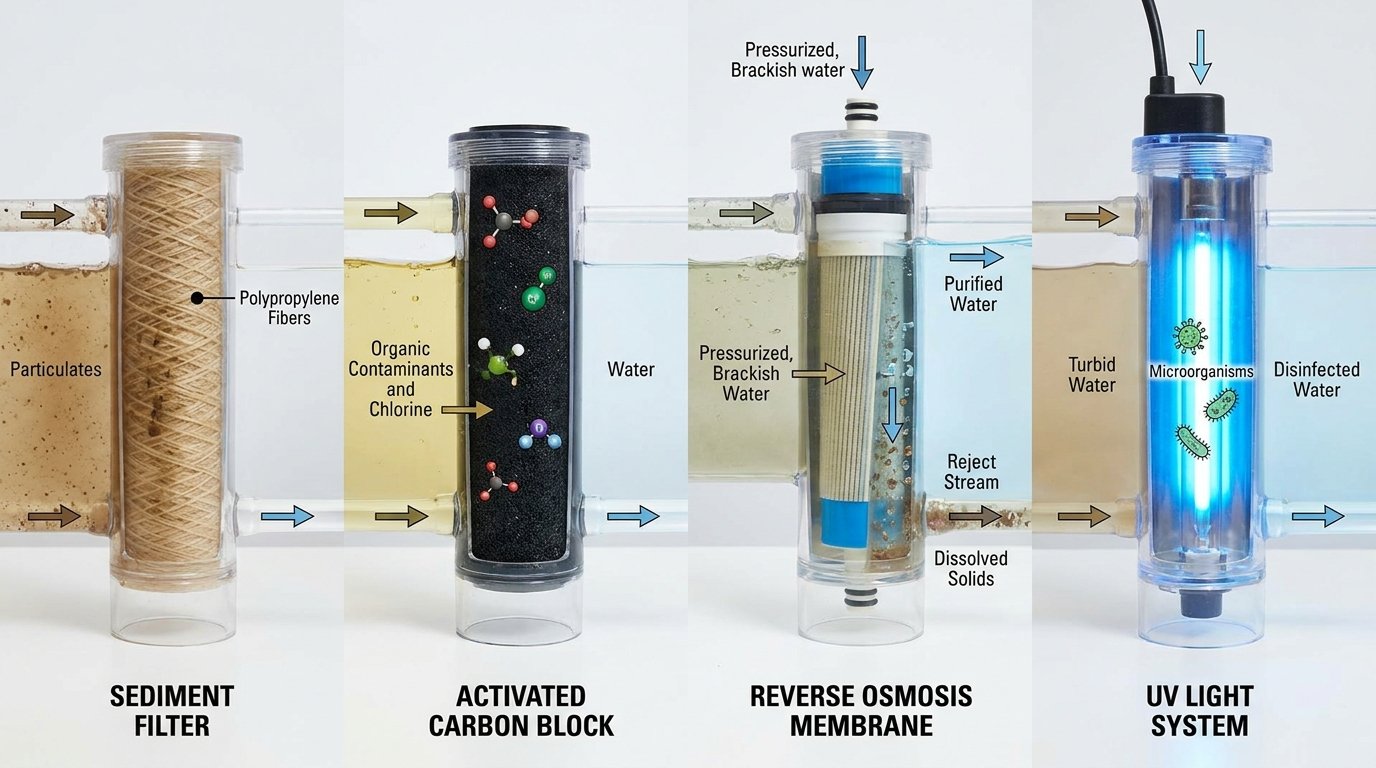
Sediment filters serve as the primary stage in many multi-stage filtration systems. They are designed to remove larger suspended particles such as sand, silt, rust, and debris that can originate from the water source or plumbing infrastructure. These filters are crucial for protecting downstream purification components, like activated carbon blocks or delicate RO membranes, from premature clogging and wear. Common types include spun polypropylene cartridges, pleated filters made of polyester or cellulose, and string-wound cartridges, each offering different levels of filtration efficiency and dirt-holding capacity. Micron ratings, which specify the smallest particle size the filter can trap, typically range from 0.5 to 50 microns. A 5-micron sediment filter, for example, is effective for general household use. Replacing these filters regularly is important; most last 3-6 months and cost approximately $10–$30 per cartridge, preventing flow rate reduction and ensuring overall system longevity.
Activated Carbon Filters: Improving Taste and Odor
Activated carbon filtration is renowned for its ability to significantly improve the aesthetic qualities of water by removing chlorine, chloramines, and various organic compounds responsible for unpleasant tastes and odors. The carbon material is “activated” through a special process that creates millions of tiny pores, dramatically increasing its surface area. This vast surface area provides numerous adsorption sites where organic molecules and chemical contaminants bind to the carbon through chemical attraction. Two main types exist: granular activated carbon (GAC) and carbon block filters. GAC filters consist of loose carbon granules, allowing water to flow through the bed, while carbon block filters use finely ground carbon compressed into a solid block, offering more uniform filtration and greater removal efficiency for certain contaminants due to increased contact time. According to the Environmental Protection Agency (EPA), activated carbon is effective for removing 60-80 specific contaminants, 30 known or suspected carcinogens, and more than 80 other contaminants.
Reverse Osmosis (RO) Systems: Comprehensive Purification
Reverse osmosis is one of the most comprehensive water purification methods available for residential use. An RO system operates by forcing water under pressure through a semi-permeable membrane that has extremely small pores, typically 0.0001 microns. This membrane allows only pure water molecules to pass through, effectively rejecting dissolved inorganic solids, heavy metals (such as lead, arsenic, copper, chromium, and cadmium), fluoride, bacteria, and viruses. A typical residential RO system includes several stages: a sediment pre-filter to remove larger particles, a carbon pre-filter to remove chlorine and protect the RO membrane, the RO membrane itself, and a post-carbon filter to polish the water before it reaches the faucet. While highly effective, RO systems are known for producing some wastewater as they flush rejected contaminants down the drain. Modern systems have improved their efficiency, with some producing as little as 1 gallon of wastewater for every 1 gallon of purified water, compared to older systems that could waste 3-4 gallons. Installing an RO system typically costs between $200–$800 for the unit itself, with professional installation adding $200–$500.
- Sediment Pre-filter: Removes dirt, rust, and larger particles to protect the carbon filters and RO membrane.
- Carbon Pre-filter: Adsorbs chlorine, chloramines, and organic chemicals that can damage the RO membrane.
- Reverse Osmosis Membrane: The core of the system, rejecting dissolved solids and microscopic contaminants.
- Storage Tank: Holds purified water, ready for immediate use, as RO filtration can be slow.
- Post-Carbon Filter: Polishes the water for final taste and odor improvement before dispensing.
Ion Exchange Filters: Tackling Hardness and Specific Ions
Ion exchange technology is most commonly associated with water softening, a process that addresses the aesthetic and functional problems caused by hard water. Hard water contains high concentrations of dissolved minerals, primarily calcium and magnesium ions. Ion exchange resins, typically small synthetic beads, are charged with more desirable ions (usually sodium). As hard water flows over these beads, the calcium and magnesium ions are “exchanged” for sodium ions, effectively removing the hardness-causing minerals. This process eliminates limescale buildup in pipes, water heaters, and appliances, extending their lifespan and improving their efficiency. Ion exchange can also be used to remove other specific ions, such as nitrates or iron, depending on the type of resin employed. Residential water softeners range in price from $500 to $3,000, depending on capacity and features, with annual salt costs typically around $100–$200. Maintenance often involves replenishing the salt in the brine tank.
UV Purification Systems: Eliminating Microorganisms
Ultraviolet (UV) purification systems utilize germicidal UV light to inactivate bacteria, viruses, and other microorganisms without adding chemicals to the water. Water flows through a chamber containing a UV lamp, which emits UV-C light at a specific wavelength (254 nm) that disrupts the DNA of microbes, rendering them unable to reproduce or cause illness. UV systems are highly effective against a wide range of pathogens, including E. coli, Giardia, and Cryptosporidium. They are typically used as a final stage of purification or in conjunction with other filters, especially in well water applications where microbial contamination is a concern. UV purification does not remove sediment, chemicals, or improve taste, so it is often paired with sediment and carbon filters. The UV lamp needs to be replaced annually, costing around $50–$150, and the entire unit can range from $300 to $1,000 for a whole-house system.
Choosing the Right Water Filtration Solution for Your Home
Selecting the appropriate water purification system for your home involves a careful assessment of your water quality, household needs, and budget. The first and most critical step is to have your water tested. A professional water test will identify the specific contaminants present in your water supply, their concentrations, and whether you are dealing with city water or a private well. This data is invaluable because it informs which type of filter will be most effective. Without knowing what you need to remove, you risk investing in a system that doesn’t solve your specific problems or, conversely, overspending on purification features you don’t require. For more information on assessing your needs, visit our main water filtration systems page.
Consider whether you need a point-of-use (POU) or a whole-house (POU) system. Point-of-use filters, such as faucet-mounted filters, under-sink systems, or water filter pitchers, treat water at a single tap where it is consumed. They are excellent for improving drinking water quality and are generally more affordable to install and maintain. However, they only treat a small volume of water. In contrast, whole-house water filters are installed at the main water line, treating all the water entering your home. This means purified water for drinking, bathing, cooking, and laundry, protecting all plumbing and appliances from contaminants and sediment. Whole-house systems are a larger investment, typically ranging from $800 to $4,000 for installation, but offer comprehensive protection and convenience.
Factors such as flow rate, maintenance requirements, and overall budget also play a significant role in your decision. A whole-house system must maintain sufficient water pressure for all household needs, so its flow rate (measured in gallons per minute, GPM) is crucial. High-capacity filters generally provide better flow. Maintenance involves regular filter cartridge replacement, which can range from every 3-6 months for sediment and carbon filters to every 2-5 years for RO membranes. Ignoring maintenance can not only diminish the filter’s effectiveness but also potentially lead to water quality issues. As an experienced practitioner, I always recommend prioritizing systems with readily available and reasonably priced replacement parts to avoid future headaches. The operating costs, including replacement filters and any electricity (for UV systems or some advanced whole-house units), should also be factored into your long-term budget. Ultimately, the best water filtration solution is one that effectively addresses your unique water quality challenges, fits seamlessly into your lifestyle, and provides long-term peace of mind.
Comparison of Common Water Filtration Methods
| Filtration Method | Primary Contaminants Removed | Pros | Cons |
|---|---|---|---|
| Sediment Filter | Sand, silt, rust, large particles | Low cost, extends life of other filters, protects plumbing | Does not remove chemicals, dissolved solids, or pathogens |
| Activated Carbon | Chlorine, chloramines, VOCs, bad taste/odor | Improves aesthetics, relatively affordable, easy maintenance | Does not remove dissolved solids, heavy metals, or pathogens |
| Reverse Osmosis (RO) | Dissolved solids, heavy metals, fluoride, lead, bacteria, viruses | Highly effective, comprehensive purification | Slow flow rate, generates wastewater, removes beneficial minerals |
| Ion Exchange (Water Softener) | Calcium, magnesium (hard water minerals) | Prevents scale buildup, extends appliance life, reduces soap usage | Does not remove chlorine, VOCs, or pathogens; requires salt replenishment |
| UV Purification | Bacteria, viruses, cysts, other microorganisms | Chemical-free disinfection, effective against pathogens | Does not remove sediment, chemicals, or improve taste; requires electricity |
Maintenance for Optimal Water Filter Performance
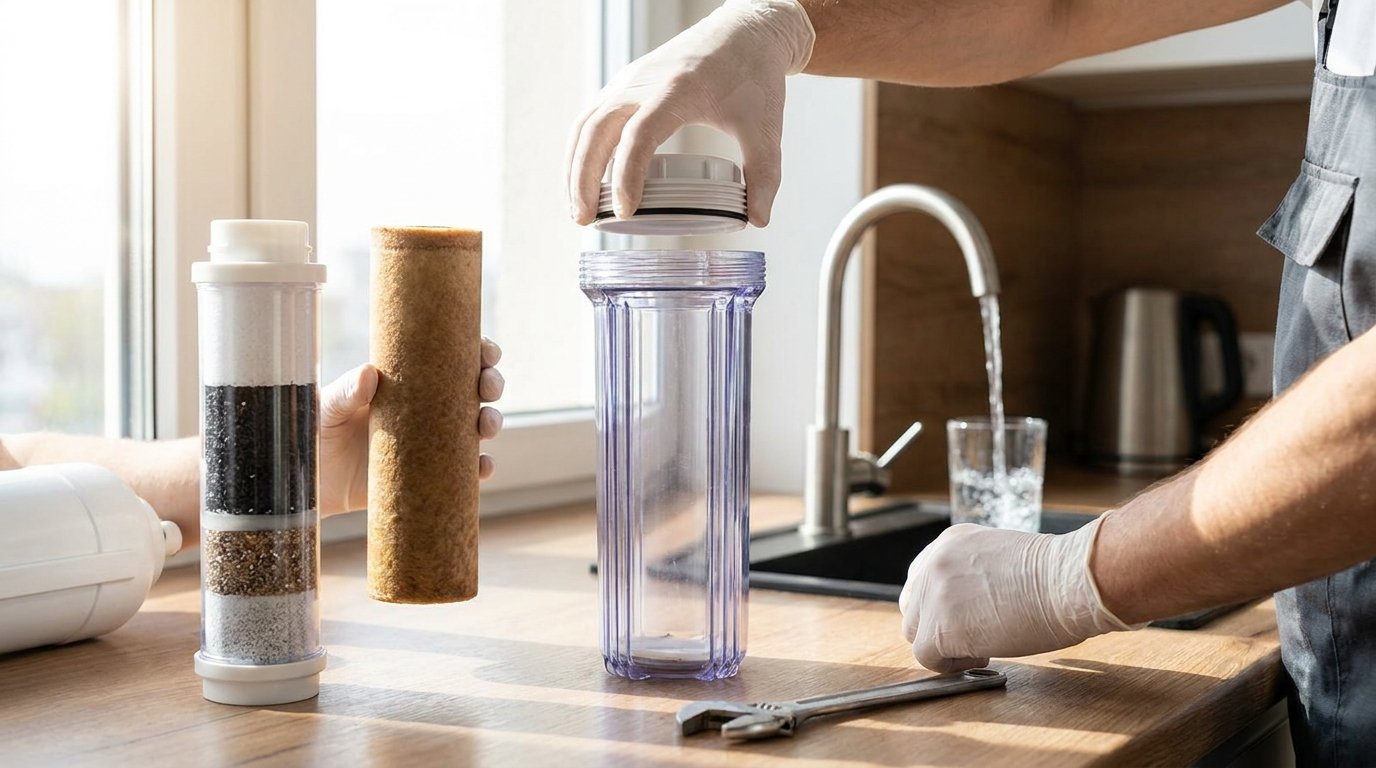
Maintaining your water filtration system is paramount to ensuring its continued effectiveness and the consistent delivery of clean water. All water filters have a finite capacity and lifespan, after which their ability to remove contaminants diminishes significantly or ceases entirely. Neglecting routine maintenance not only compromises water quality but can also lead to issues like reduced water pressure or damage to the filtration system itself.
The most common maintenance task is the regular replacement of filter cartridges. Sediment and activated carbon filters, whether in a pitcher, under-sink, or whole-house system, typically require replacement every 3 to 12 months. The exact frequency depends on the filter type, water quality, and household water consumption. For instance, a household with high sediment in its water might need to change a sediment pre-filter every 3 months, while a household with city water and lower consumption might extend that to 6 months. Failure to replace these filters on time can lead to clogging, causing a noticeable drop in water pressure and allowing contaminants to bypass a saturated filter. Replacement cartridges generally range from $10 for basic sediment filters to $50 or more for advanced carbon blocks.
Reverse osmosis systems, with their multi-stage filtration, have several components that require scheduled attention. Pre-filters (sediment and carbon) should be changed every 6-12 months to protect the delicate RO membrane. The RO membrane itself, the core of the purification process, typically lasts 2-5 years. When the membrane begins to fail, you might notice a return of unpleasant tastes or an increase in the total dissolved solids (TDS) of your filtered water. Replacing an RO membrane can cost between $50–$150. Additionally, some RO systems include a post-carbon filter for final taste polishing, which should also be replaced annually.
For ion exchange water softeners, maintenance primarily involves replenishing the salt in the brine tank. The frequency depends on water hardness and water usage, but typically, salt needs to be added every 1-2 months. It’s crucial to use the correct type of water softener salt, such as solar salt, rock salt, or evaporated salt, to prevent issues with the system. Regular cleaning of the brine tank is also recommended every few years to remove any salt bridges or sludge that can impede the regeneration process. If your water softener isn’t functioning correctly, it might require professional water softener repair to ensure your water remains soft.
UV purification systems require annual replacement of the UV lamp, regardless of apparent functionality. While the bulb may still glow, its germicidal effectiveness diminishes over time. The quartz sleeve surrounding the lamp also needs occasional cleaning to remove mineral buildup that could block the UV light. Neglecting these tasks can render the UV system ineffective against microbial contaminants. Professional maintenance for whole-house systems can also include checking connections, inspecting for leaks, and sanitizing the system, which can prolong the life of your equipment and ensure peak performance when handled by a trusted water heater company like The Hot Water Heater Pros.
Key Takeaways
- Water filters operate through physical blockage, chemical adsorption, or advanced membrane separation to remove impurities.
- Activated carbon filters excel at improving taste and odor by removing chlorine and volatile organic compounds (VOCs).
- Reverse osmosis (RO) systems provide extensive purification, targeting dissolved solids, heavy metals, and microscopic contaminants through a semi-permeable membrane.
- Ion exchange systems, typically water softeners, specifically remove hard water minerals like calcium and magnesium.
- Choosing the right water purification system requires understanding your specific water quality issues, often best identified through a professional water test.
